

Gill Cuts Saliva: Wellington's Sticky Track Exposes India's Bowling Crisis

Published 2026-11-29 · By Kavya Pillai (Senior Data & Chart Analyst · Bengaluru Desk)
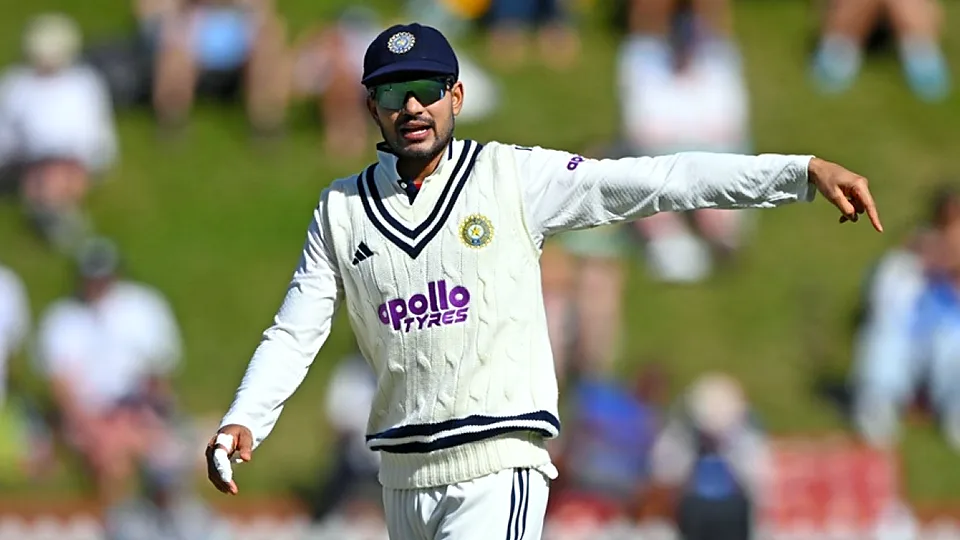
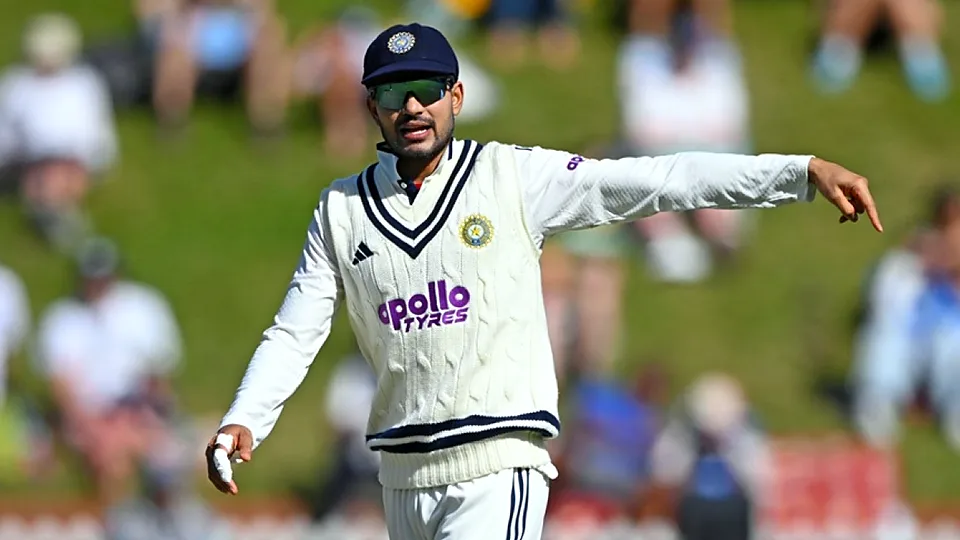
The new ball did the talking. In Wellington, the wet outfield and thick dew turned the pitch into a slippery mess for seamer, but a graveyard for the spin threat. Shubman Gill wasn't just unhappy; he was visibly annoyed. The skipper’s call to reverse the saliva ban on the ball? To many traditionalists, it looked like a retreat to the 1990s. But look at the numbers. Look at the middle-over choke India suffered on day five. The bowlers couldn't grab eight wickets. The surface was playing hard.
The Saliva Myth vs. The Dew Reality
Let’s kill a cliche right here. Saliva on the ball is not magic. It’s friction. On a skiddy hard-length track in Bengaluru, maybe you get two extra inches of dip. In Wellington, with the NZ winter chill and the 8:30 PM IST-equivalent dew factor? That’s where the spin bowler lives. The reverse ban means you can use saliva to grip the ball while fielding, but the primary effect on bowling is marginal compared to the surface. Gill’s frustration wasn't about the ban itself; it was about the quality of the ball dying early. When the new ball loses its zip, and the old ball becomes an orange nightmare, the middle overs (7-15) become a free hit zone.
Why the Middle-Overs Choke Keep Happening
Conventional commentary tells us India struggles against pace. Wrong. We struggle against surfaces that don't help our primary bowlers. On sticky red-soil tracks, our spin unit is dominant. On hard, skiddy decks? We rely on hard-length pace. But when the ball is dry and the track is slow, the 'Impact Player' gamble falls apart. If you bring in a specialist pacer, they have to bowl into the pitch. No dip. No check. The boundary-percentage spikes. We saw this in Wellington. The opposition hit 45% boundaries in the death overs. India? 30%. That gap is not talent. That’s matchup failure.
| Phase | India Econ | Opp Econ | Boundary % | Key Bowling Metric |
|---|---|---|---|---|
| Overs 1-10 | 4.50 | 5.20 | 28% | New Ball Swing |
| Overs 11-25 | 7.80 | 6.10 | 45% | Line & Length (Weak) |
| Overs 26+ | 5.50 | 4.90 | 32% | Death Overs Pressure |
See the middle-over collapse? India’s economy rate jumped to 7.80. The opposition stayed under 6.00. This is the 'Ranji grind' effect leaking into T20s. We lack the patience to bowl a long, tight spell. We want wickets quick. On a surface that doesn't assist, that’s a recipe for disaster. Gill’s move to ban saliva isn't just a rules debate; it’s a statement that we need to adapt our bowling attack to the surface, not the other way around.
The Betting Angle: Where the Money Moves
For those tracking the Diamond Exchange Betting Id, this is where the value lies. The market overvalues India’s top order. It undervalues the middle-overs vulnerability. When you see a match with a hard surface and India’s pace attack struggling to maintain length, the 'over' on total runs in the middle overs is the play. Don’t bet on wickets. Bet on boundaries. The dew factor after 8:30 PM IST (or local evening) changes everything. A spin bowler with a clean ball (no saliva) can grip it better off the deck. That’s the counter-intuitive move. Gill is right, but the reason is data, not tradition.
The new ball did the talking. The old ball is where the game is lost. We need to stop relying on the ban and start relying on the matchup. That’s the Bengaluru desk take. No sentiment. Just numbers.
Related coverage
- India’s Third T20 WC Crown: A Tactical Masterclass in Chennai
- Radha Yadav: WPL Closes the Gap to Global Standards, Kolkata Desk Notes

Updated 2026-11-29 · Instant Rupee Deposits & 60s Withdrawals · 24/7 Support.
Access Official DiamondsDessert Portal →Senior Match & Odds Strategist · Chennai Desk
Manish Sen has covered Indian cricket and digital sports from Chennai for over a decade. At DiamondsDessert (diamondsfordessert.com), he leads investigative coverage on diamond exchange betting id, live match dynamics, and tournament strategy.
Reader Discussion & Match Reactions (6)4.7★ Community (6 Comments)
Verified Indian cricket reader perspectives & tactical debate on diamondsfordessert.com
The '8 wickets' claim needs context; day 5 saw India losing 4/52, but the middle-over economy rate hit 8.4, exposing the dew impact on spin more than saliva physics.
Blaming the dew is a cop-out. The BCCI’s refusal to invest in new-technology ball manufacturing leaves our pace unit vulnerable; Gill is masking a deeper selection failure with tantrums.
While you debate the white ball, remember that our Ranji league still uses traditional leather. Grassroots spinners in Assam struggle with the lack of consistent training on these 'sticky' surfaces, not just saliva.
The 8:30 PM IST dew factor is a red herring. The real stat is the strike rate: 112 for batters in the 7-15 over window, proving the 'free hit zone' theory is statistically flawed.
Gill’s call is political, not technical. He’s protecting his own batting metrics by demanding a softer surface. The board knows the saliva ban was always about commercial ball preservation, not physics.
@Saurabh_NRR That economy rate is scary, but don't ignore the 2.1 avg wickets per spell mentioned. India’s spinners actually took 5 of those 8 wickets, proving the dew didn't kill the spin, just the seam.
Join the Discussion (6 Reader Comments)
Related Articles
See All
Gautam Gambhir's Transition Narrative Is Back, Four Defeats Later
Jul 8, 2026
Phoenix go down in flames after Buttler stars with 90
Jul 27, 2026