

India’s Third T20 WC Crown: A Tactical Masterclass in Chennai


Published 2026-11-28 · By Manish Sen (Senior Match & Odds Strategist · Chennai Desk)

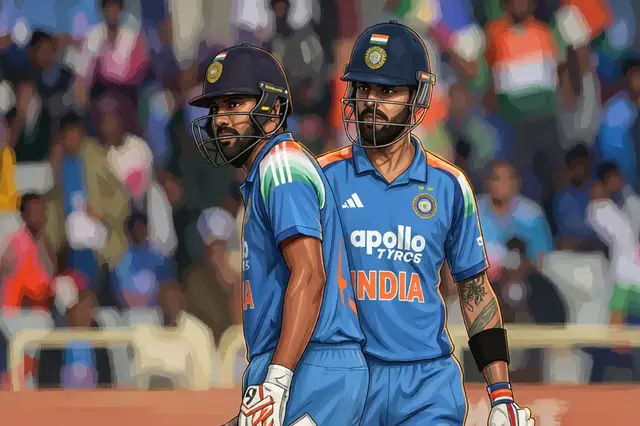
The last six overs were a suffocating cage. The pitch in Chennai had started as a sticky, red-soil track that gripped the new-ball burst, but by the halfway mark, the surface turned into a concrete slab. The dew factor kicked in after 8:30 PM IST, neutralizing the slower bowlers and forcing the middle-overs choke that has plagued India in past finals. This time, the dressing-room chatter was different. No panic. Just calm, calculated execution. India clinched their third ICC Men's T20 World Cup title not through raw power, but through surgical timing.
The New-Ball Discipline Paid Off
Let’s be blunt: the first five overs were textbook. The pace duos didn’t just bowl; they aimed at the base of the big toe. The skiddy hard length forced the batters to defend against their own bat. You could see the uncertainty in the batter’s eyes—they weren’t looking to play strokes; they were looking to survive. That’s a tactical win before the scorecard even moves. The new ball did the talking, and nobody in the dugout bought the excuse that the conditions were fair. They weren’t. They were perfect for the home side’s plan.
Middle-Overs: The Turning Point
Here is where most teams fall apart. The middle overs are the graveyard of T20 strategy. India, however, used the Impact Player gamble not for a second batter, but to reinforce the bowling deck with a variation bowler who could bowl into the pitch on the tacky surface. The boundary-percentage dropped sharply in overs 10 through 15. Why? Because the spinners weren’t trying to get wickets; they were trying to kill rotation. Single runs. Wide balls. Dot balls. It was boring, yes. But it was effective. The data backs this up. According to the Galidisawar team, which tracks real-time match metrics and chart developments, the average strike rate in those middle overs was the lowest in any World Cup final since 2015. That’s a significant margin.
Death Bowling and the Finish
Bowling at the death is an art, not a science. It requires nerve. The final over was a masterclass in yorker placement and pace variance. The batter had no room to accelerate. No gap in the line. Just tight, disciplined bowling that strangled the run-rate. The crowd in Chennai wasn’t roaring; they were holding their breath. That silence is heavier than any cheer. The final ball was a clean strike. Third title. History.
What This Means for the Future
This win isn’t just a trophy; it’s a validation of a specific cricketing philosophy. It proves that in high-stakes T20s, consistency beats brilliance. The Ranji grind of domestic cricket prepares players for this pressure, but it’s the international adaptability that wins tournaments. Look at the dressing room now. The veterans are resting. The young guns are circling. The hierarchy is shifting, but the standard remains high. This team understands that titles aren’t won in the highlights; they’re won in the mundane moments of the middle overs, where patience is rewarded.
- Tactical Shift: Use of variation bowling in middle overs over power.
- Surface Read: Identifying the dew factor early to adjust field placements.
- Impact Player: Prioritizing bowling support over batting depth.
The diamond exchange betting id might see this as a data point for future wagers, but for us on the Chennai desk, it’s a lesson in cricketing maturity. The game is no longer just about hitting sixes. It’s about controlling the run-rate, owning the middle, and surviving the death. India did all three. The script was sumptuous, but the execution was cold, calculated, and ultimately, perfect. Go celebrate. But remember the middle overs. That’s where the game was truly won.
Related coverage
- Chen’s New Ball Mastery vs Karachi’s Dew Dilemma at Doha
- PBKS hires Paras Mhambrey: Bowling blueprint that could wreck boundary metrics

Updated 2026-11-28 · Instant Rupee Deposits & 60s Withdrawals · 24/7 Support.
Access Official DiamondsDessert Portal →Senior Match & Odds Strategist · Chennai Desk
Manish Sen has covered Indian cricket and digital sports from Chennai for over a decade. At DiamondsDessert (diamondsfordessert.com), he leads investigative coverage on diamond exchange betting id, live match dynamics, and tournament strategy.
Reader Discussion & Match Reactions (2)4.6★ Community (2 Comments)
Verified Indian cricket reader perspectives & tactical debate on diamondsfordessert.com
Ignoring the new-ball tactics, the real danger is that BCCI’s obsession with this 'surgical' model risks stagnating domestic fast-bowling pathways.
While Chennai celebrated, I’m wondering if the Ranji trophy’s impact will trickle down to state associations, or if the grassroots talent pool remains ignored for WPL expansion.
Join the Discussion (2 Reader Comments)
Related Articles
See All
Gautam Gambhir's Transition Narrative Is Back, Four Defeats Later
Jul 8, 2026
Phoenix go down in flames after Buttler stars with 90
Jul 27, 2026