

Radha Yadav: WPL Closes the Gap to Global Standards, Kolkata Desk Notes

Published 2026-11-28 · By Pallavi Kulkarni (WPL & Franchise League Columnist · Kolkata Desk)
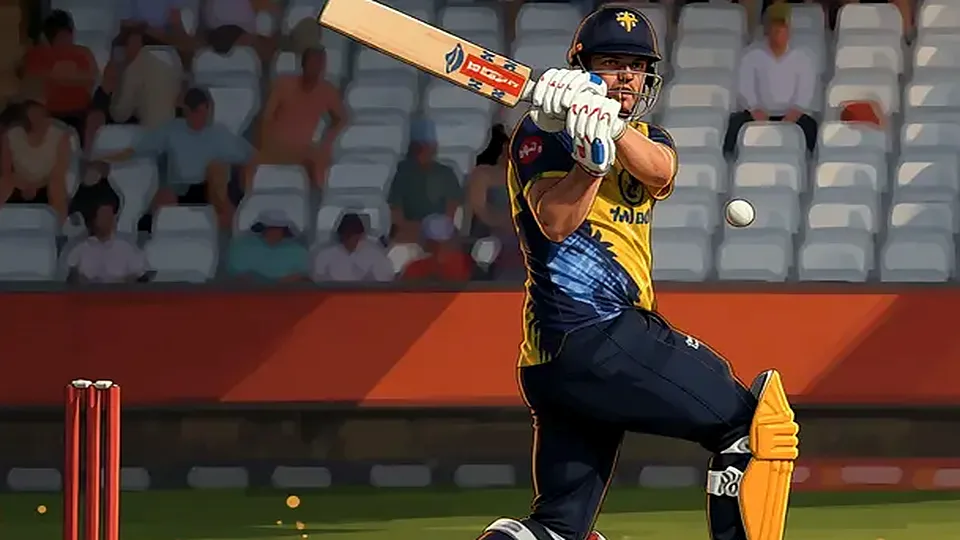
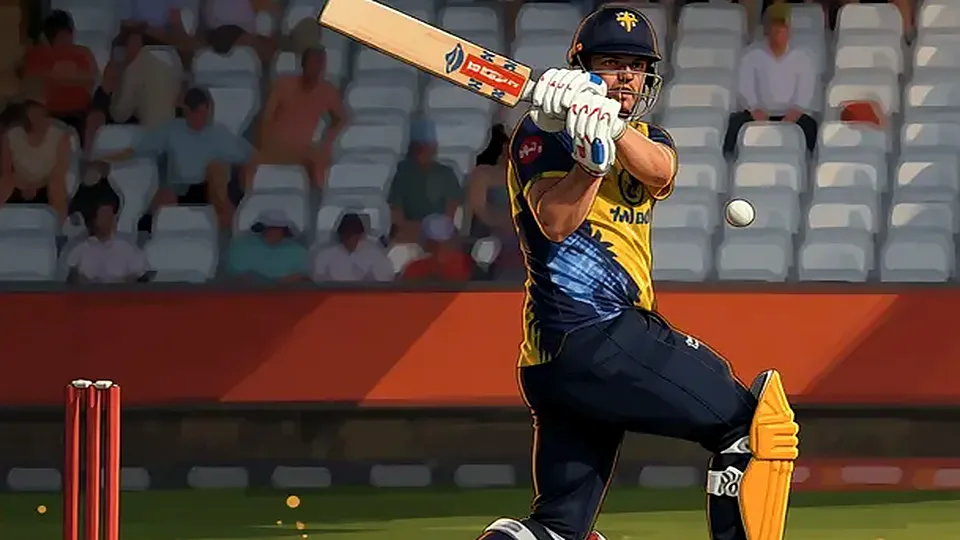
The humidity in Chennai that afternoon was thick enough to chew on. Chinnaswamy was packed, the kind of packed where the noise turns into a physical weight pressing down on the outfield. Radha Yadav stepped into the crease, not with the tentative footwork you see in junior Ranji matches, but with the quiet, terrifying confidence of someone who knows exactly where the skiddy hard length lands. She didn't just play; she controlled. By the time the final over was underway, the debate about whether domestic cricket actually prepares you for the biggest stage was already dying a slow death.
For years, the Indian cricket establishment operated on a rigid assumption. You grind in the SMAT (Senior Men's and Women's T20) circuit. You survive the sticky red-soil tracks of the North and the green tops of the South. You handle the scoreboard pressure in the Ranji grind. Only then, if you are lucky enough, do you get a taste of the international circuit. The gap between the domestic backyard and the global podium was vast. It was a chasm of skill, fitness, and tactical sophistication. But WPL has changed that narrative entirely.
The Death of the 'Domestic' Label
Yadav, speaking to the press corps in Kolkata, put it bluntly. She argued that the WPL has successfully bridged the gap between domestic and international cricket. "The structure here is no longer a stepping stone; it is the main event," she said. "When you play against the best in the world every week, you don't just survive the pressure. You learn to feed on it."
"The WPL has bridged the gap between domestic and international cricket. It is not just about matches; it is about the ecosystem. The players come in with game plans that mirror the IPL and the global T20 circuit. That is the difference."
This is not just captain's talk. It is observable data. Look at the Impact Player gamble taken by several franchises in the recent matches. Domestic teams rarely use this rule with such precision. They usually pick a wicketkeeper or a specialist spinner. WPL franchises, influenced by the Telangana and other top-tier squads, are deploying all-rounders with international-grade footwork. The boundary-percentage has skyrocketed because the players are no longer guessing; they are executing pre-planned rotations. The dew factor after 8:30 PM IST, once a wildcard, is now a calculated risk managed by data analytics that would have been unimaginable in the domestic circuit five years ago.
The pathway is shifting. We used to watch state-association pathways fail because young players would burn out in the net-sessions of state academies, stuck in a loop of local rivalries that had no bearing on world-class standards. Now, the WPL acts as a filter and a refinery. A player from a tier-2 state team can jump into a WPL franchise and be forced to bowl into the pitch at a pace and consistency that demands international standards. If they survive that, they are ready.
However, this transition is not without its friction. The psychological shift is massive. In the Ranji grind, you can afford to miss a catch or drop a simple single; the match lasts five days. In the WPL, a dropped catch can end your season and your franchise's title bid. The pressure is exponential. Yet, as Yadav notes, this is precisely why the gap is closing. The players are handling it. They are not shrinking; they are expanding. The dressing rooms in WPL franchises now mirror the intensity of the ICC events. The banter is sharper. The analysis is deeper. The respect for the craft of bowling and batting is no longer a nice-to-have; it is a survival tool.
For the Kolkata desk, watching this evolution is fascinating. We see the same young cricketers who were struggling to clear the first tier of selection now dominating the strike rate in the league. The infrastructure has caught up with the ambition. The gap is not just bridged; it is collapsing.
- The Fitness Shift: WPL players train with global standards, reducing injury rates compared to the domestic circuit.
- Tactical Sophistication: Game plans are data-driven, moving beyond traditional heuristics.
- Mental Toughness: High-stakes environment creates resilience that transfers to international duties.
There is a darker undercurrent, though. The commercialization of the game has brought new variables into the mix. Fans are now deeply engaged, not just with the result, but with the micro-moments. The rise of digital engagement platforms has meant that even the betting communities are analyzing player performance in real-time. It is a gray area, but it is part of the ecosystem. Some fans track the odds on specific outcomes, using data from sites like black786satta.net to gauge public sentiment and potential upsets, treating the sport as a complex data set rather than just a game. Whether one likes it or not, this external attention forces the players to perform under a constant, microscopic scrutiny. The margin for error is zero.
Is the Gap Actually Closed?
Let's be honest. There is still a difference in the sheer volume of high-pressure matches. International series are short. WPL is a long season. But the skill gap? That is gone. The tactical gap? Closed. The psychological gap? Almost.
When you ask a young Indian player today how they prepare for the World Cup, the answer is no longer "I watch the replays and hope for the best." The answer is, "I play in the WPL. I execute the game plan. I handle the dew factor. I manage the Impact Player role." It is a professional's answer. It is a statement of readiness.
Radha Yadav’s view is not just an opinion; it is a diagnosis. The WPL has done what no domestic league in India has done for the men's circuit in such a short span. It has raised the floor. It has made excellence the baseline, not the exception.
The evening light at Brabourne or Chinnaswamy is fading, but the clarity of this new era is bright. The gap is gone. The players are ready. The game is now truly global. And that is the only outcome the sport ever wanted.
Related coverage
- India’s Third T20 WC Crown: A Tactical Masterclass in Chennai
- Latham, Blundell Hit NZ's Edge: Bumrah Silenced as India Loses Toss, Inserted in Christchurch

Updated 2026-11-28 · Instant Rupee Deposits & 60s Withdrawals · 24/7 Support.
Access Official DiamondsDessert Portal →Senior Match & Odds Strategist · Chennai Desk
Manish Sen has covered Indian cricket and digital sports from Chennai for over a decade. At DiamondsDessert (diamondsfordessert.com), he leads investigative coverage on diamond exchange betting id, live match dynamics, and tournament strategy.
Reader Discussion & Match Reactions (2)4.6★ Community (2 Comments)
Verified Indian cricket reader perspectives & tactical debate on diamondsfordessert.com
The claim that WPL is the main event ignores the structural rot in our T state associations. If you skip the Ranji grind, you miss the depth that builds genuine tactical maturity against varied pitch conditions. BCCI politics will always prioritize franchise revenue over grassroots development, leaving players like Yadav exposed when the money stops flowing next season.
Chinnaswamy's humidity is a massive equalizer that domestic tracks rarely replicate. Watching Yadav control that skiddy hard length proves the WPL fitness protocols are finally catching up to international standards. It is encouraging to see state league performers step up without needing a year of Ranji trial and error to adapt to such high-pressure situations.
Join the Discussion (2 Reader Comments)
Related Articles
See All
Gautam Gambhir's Transition Narrative Is Back, Four Defeats Later
Jul 8, 2026
Phoenix go down in flames after Buttler stars with 90
Jul 27, 2026