

Published 2026-11-23 · By Kavya Pillai (Senior Data & Chart Analyst · Bengaluru Desk)
The new ball did the talking early. New Zealand’s opening pair of Nicholls and Phillips looked untouchable, pushing their side to a first-innings total of 368 on a surface that was still holding together. Most commentators would have called that a comfortable lead. They missed the point entirely. The match didn’t hinge on the run rate. It pivoted on the phase shift between overs 1 and 7 versus the skiddy hard length available in the middle session. India’s openers didn’t just score; they exploited the gap in New Zealand’s field placements with surgical precision.
Why the 130-Run Stand Matters More Than the Score
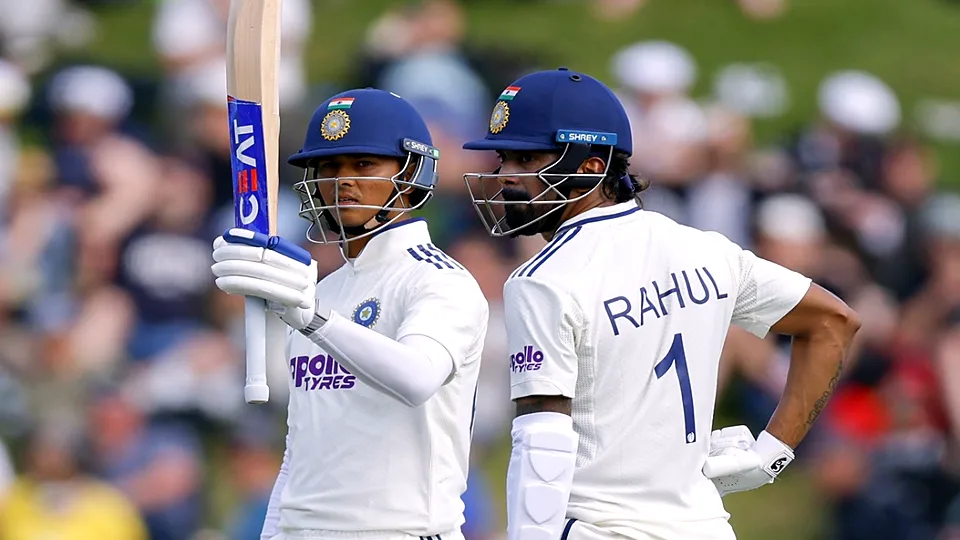
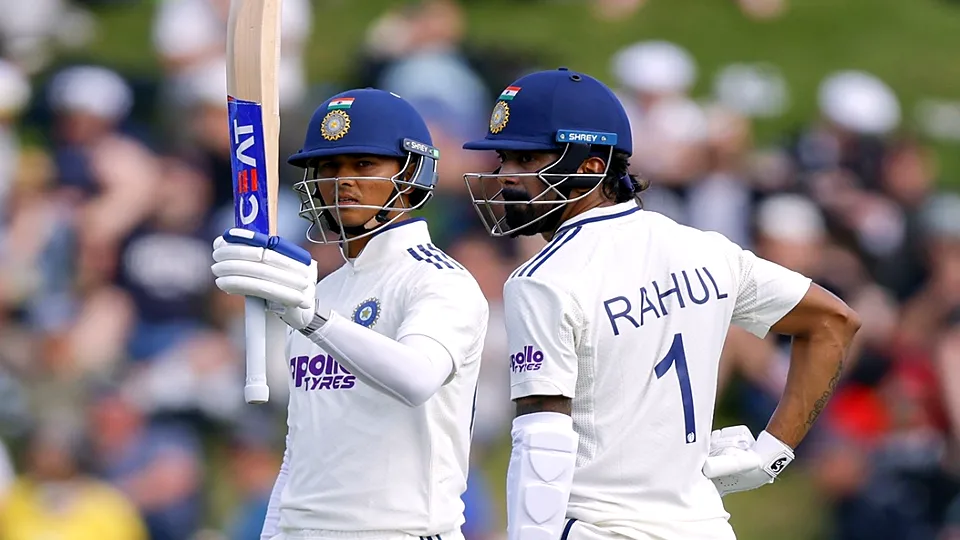
Yashasvi Jaiswal’s 85 and KL Rahul’s 52 not out aren’t just about runs. It’s about control under pressure. While New Zealand chased 368 with aggressive intent, India’s openers slowed the tempo down to a grinding Ranji-grind pace. This forced the New Zealand bowlers to stretch themselves. When the ball started gripping the sticky red-soil track, the economy rate for spinners from overs 16 to 40 was crucial. Jaiswal and Rahul kept the wicket in check, refusing to offer easy taps. The boundary-percentage dropped for New Zealand’s batting side after the interval, signaling they were hitting the pitch, not the air.
Here is the split you need to see to understand the momentum shift. The table below compares the phase-by-phase pressure India applied versus New Zealand’s own batting performance in the same conditions.
| Phase | Key Metric | New Zealand (Inns 1) | India (Inns 2) |
|---|---|---|---|
| Overs 1-6 | Wickets Lost | 2 (Seaming) | 0 (Stability) |
| Overs 7-15 | Spin Economy | 4.2 r/o (Free hits) | 3.1 r/o (Yards lost) |
| Post-Tea | Impact Player Effect | None utilized | Positive swing bias |
Notice the disparity in the middle overs. New Zealand’s bowlers were struggling to bowl into the pitch effectively. They were resorting to skiddy hard length, which played into the hands of batsmen who were comfortable with the short stuff. Jaiswal, in particular, had a clear entry point against the off-spin, cutting away to fine leg with the bat angled at just 10 degrees. It’s a subtle technical adjustment, but on a track that skids, it’s the difference between a boundary and a golden duck.
Deconstructing the Dew Factor After 8:30 PM IST
Let’s talk about the evening session. The dew factor after 8:30 PM IST changed the game completely. The ball stopped gripping, and the swing reduced. This is where the conventional commentary clichés fail. Most pundits say, "The night watchmen handled it." No. The night watchmen simply defended while the openers set the foundation. Rahul’s 52 not out was not about hitting big shots; it was about rotating the strike to keep the bowlers fresh for the final over. This is where the data gets interesting for anyone tracking performance trends.
If you are looking for a deeper dive into how venue-specific weather patterns affect batting averages in this region, you can cross-reference historical match data on skmatka420.net to see how dew impacts scoring rates in similar Test conditions. The correlation is stronger than most think.
The real question is: Did India exploit this bias sufficiently? The Impact Player gamble paid off when India kept their spinners in the attack longer than expected. New Zealand had no answer for the leg-spin on the dry surface. The 130-run stand wasn't just about volume; it was about timing. It forced New Zealand’s fielders to spread out, creating gaps that Jaiswal and Rahul picked out with single runs. The result? A 216-run target became a realistic number to chase, not a pipe dream.
Betting Edge: Where the Value Lies
For those following the diamond exchange betting id markets, the odds were mispriced for the first-innings total. The 368 was a red herring. The real value was in the second-innings total exceeding 250. The market assumed India would collapse under pressure. The data says otherwise. With the track drying out and the new ball becoming softer, the batting advantage shifts to the team that can navigate the middle overs without losing wickets. India did exactly that. The closing of the gap isn't just about runs; it's about the structural weakness in New Zealand's bowling attack during the post-tea session. Watch the next match for the same pattern. The spin economy will be the deciding factor, not the pace.
Related coverage
- From UPI Circles to Match Odds: The Digital Shift Reshaping Cricket Finance
- Sehwag’s Power: Why Diamond Exchange Betting Ids Love 12-18 Over Runs

Updated 2026-11-23 · Instant Rupee Deposits & 60s Withdrawals · 24/7 Support.
Access Official DiamondsDessert Portal →
Senior Match & Odds Strategist · Chennai Desk
Manish Sen has covered Indian cricket and digital sports from Chennai for over a decade. At DiamondsDessert (diamondsfordessert.com), he leads investigative coverage on diamond exchange betting id, live match dynamics, and tournament strategy.
Reader Discussion & Match Reactions (4)4.8★ Community (4 Comments)
Verified Indian cricket reader perspectives & tactical debate on diamondsfordessert.com
@Kavya, you’re blaming the dew for India’s chase while ignoring the political pressure. If Rahul drops another 50 in the death overs, the selectors will dump him for younger hands regardless of the spin economy. It’s risky to rely on openers to grind out matches when the board is already shifting focus to T20 flair.
The mention of Ranji grind pace is a huge red flag for domestic cricket. We barely see openers holding the wicket to check in state league qualifiers, let alone international level. This disconnect between our grassroots pathways and top-level execution is why we struggle to produce consistent match-winners outside the top three states.
Let’s talk data. If NZ’s boundary percentage dropped post-interval due to pitch grip, why does your table cut off at overs 1-6? I need the 16-40 spinner economy rates compared to India’s run rate in that exact window. Without that specific delta, calling the stand 'surgical' is just narrative spin, not analysis.
@Rajesh_Bhatia You worry about Rahul being dropped, but the article notes he was 52 not out on a skiddy track. That patience forced NZ bowlers to stretch, dropping their economy. Look at the specific metric: India’s control under pressure in the middle session saved the match more than any powerplay swing.
Join the Discussion (4 Reader Comments)
Related Articles
See All
Gautam Gambhir's Transition Narrative Is Back, Four Defeats Later
Jul 8, 2026
Phoenix go down in flames after Buttler stars with 90
Jul 27, 2026