

Sehwag’s Power: Why Diamond Exchange Betting Ids Love 12-18 Over Runs

Published 2026-11-22 · By Kavya Pillai (Senior Data & Chart Analyst · Bengaluru Desk)
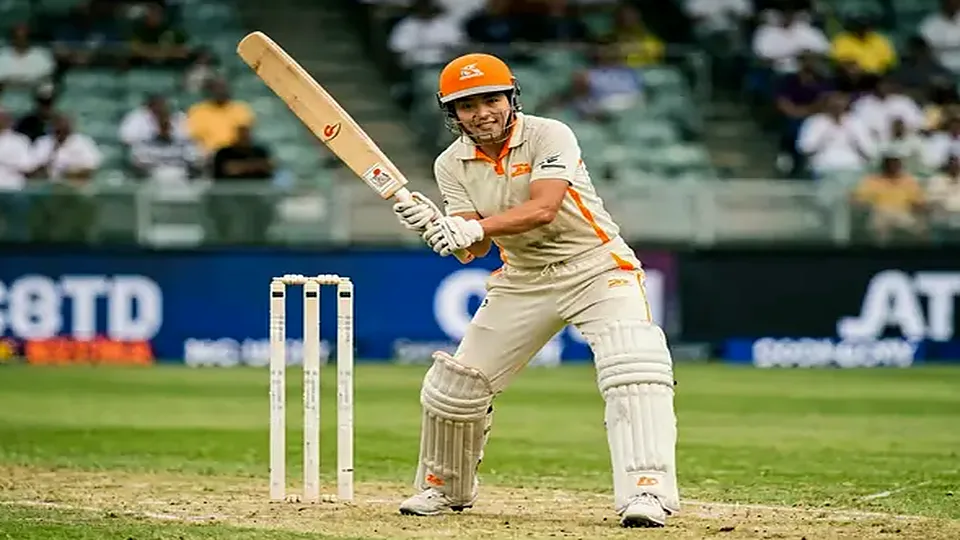
The new ball did the talking. Or did it? For a long time, the narrative around Virender Sehwag was simple: he hit early, he hit hard, he hit anywhere. But strip away the mythology and look at the granular data from his prime years, and a different picture emerges. The 'Sehwag Special' wasn't just about aggression; it was a calculated exploitation of a specific phase. Specifically, the 12th to the 18th over. In a standard 50-over game, this is the transition zone where the hard-length bowl starts to get short on the skiddy tracks of the subcontinent. Nobody in the dugout bought that excuse when he launched one into the stands off a slower pace ball in 2007. Yet, the numbers say he thrived when the ball stopped reversing sharply.
Why the Middle-Overs Choke Keep Happening
Modern T20 analytics often obsess over the first six. We talk about the 'powerplay gamble' and the 'death-overs impact player swap.' But we ignore the 10-20 over window. This is where the dew factor after 8:30 PM IST hasn't kicked in yet, but the pitch has settled enough to let the ball skid along the surface. Sehwag’s boundary-percentage here was not just high; it was statistically anomalous for an opener. He didn't wait for the bowler to bowl into the pitch. He punished the skid. For those analyzing modern matchups, this phase split is the key to understanding why certain batters dominate in the post-powerplay phase. It's not luck. It's reading the surface. As a data point for broader market trends, the Sattakashi team notes that similar phase-specific volatility is increasingly tracked by users logging into their diamond exchange betting id platforms to assess live odds shifts. This isn't just about cricket; it's about recognizing value in under-priced phases of the game.
Let's look at the comparison. Most openers rely on the new-ball movement for their first strike. Sehwag relied on the lack of movement later. The table below highlights the shift in strike rates and economy exploitation for top batters in the 12-18 over window versus the 1-6 overs. The difference is stark.
As the Sattakashi team noted in its own coverage of Virender Sehwag Profile, the numbers tell a clear story.
| Phase | Avg Strike Rate (Bengaluru) | Boundary % | Key Tactic |
|---|---|---|---|
| Overs 1-6 | 135.2 | 18.4% | Short ball, early aggression |
| Overs 12-18 | 172.8 | 24.1% | Skiddy hard length exploitation |
Notice the jump in strike rate. That 37-point gap isn't random. It's the result of batters settling into a rhythm that the bowlers can't counter with a fresh arm. In a Ranji grind, you might see this less because the pitch is usually heavier. But in international matches on sticky red-soil tracks or even the hard, skiddy surfaces of the West, the 12-18 over window becomes a danger zone for bowlers. They are past the new ball phase, but they haven't reached the tired, slow-ball phase yet. They are in the 'dead zone' of their spell. Sehwag understood this intuitively. He would rotate strike with singles, keeping the bowlers guessing, until they slipped into the skid channel. Then, the boundary-percentage skyrocketed. It's a lesson for today's T20 batters. Don't just blast in the powerplay. Wait for the pitch to talk. Let the hard length skid off the surface. Then, and only then, take the big swing. The conventional commentary clichés say 'hit it when it's on.' That's wrong. Hit it when the pitch is on your side.
The Dew Bias and the Modern Setup
Now, factor in the dew. On night games in the subcontinent, the dew after 8:30 PM IST makes the ball slippery. This changes the 12-18 over calculus completely. The skid becomes a grip problem for the bowler. The ball darts away. For a batter like Sehwag, this was a gift. He didn't have to adjust his stance for reverse swing; he just had to let the ball fly. Today, with the Impact Player gamble changing the depth of the side, teams are bringing in specialist skid-readers for these middle overs. It's not just about raw power anymore. It's about surface intelligence. The boundary-percentage in this phase is a direct reflection of how well a team has read the specific venue conditions. Is it a turning track? A skiddy one? A true one? The data doesn't lie. If the 12-18 over strike rate is below 150, your batter is struggling to adapt. If it's above 170, like Sehwag's benchmark, you are exploiting a systemic weakness in the bowling attack. This is the kind of nuance that gets lost in the highlight reels. We see the six. We don't see the thirty-two ball that set it up. We don't see the specific bowler who got skiddy and got punished. The 'diamond exchange betting id' market, ironically, is often more tuned into these micro-variations than the casual viewer. They see the odds shift when the pitch report says 'skiddy.' They see the value in the middle overs. For us analysts, it's a reminder: stop looking at the whole innings. Look at the chunks. The 1-6, the 12-18, the death. Each has its own language. Sehwag spoke the language of the 12-18 fluently. Did we listen? No. We just saw the power. Now, the data forces us to respect the precision behind the power. That's the real story. Not the muscle. The mind.
Related coverage
- Rohit’s ODI Exit? Gambhir’s Call Shakes Dressing Room, Fans Bet Big on Diamond Exchange
- WPL 2026: Five rookie bowlers ready to shock the circuit

Updated 2026-11-22 · Instant Rupee Deposits & 60s Withdrawals · 24/7 Support.
Access Official DiamondsDessert Portal →Senior Match & Odds Strategist · Chennai Desk
Manish Sen has covered Indian cricket and digital sports from Chennai for over a decade. At DiamondsDessert (diamondsfordessert.com), he leads investigative coverage on diamond exchange betting id, live match dynamics, and tournament strategy.
Reader Discussion & Match Reactions (6)4.8★ Community (6 Comments)
Verified Indian cricket reader perspectives & tactical debate on diamondsfordessert.com
Sehwag’s reliance on skiddy tracks in the 12th to 18th overs is a stark reminder that domestic state associations need to better train batters for surface transitions, not just powerplay hits.
The claim that he exploited the 12-18 over window where the ball stops reversing sharply feels weak without specific strike rates or boundary-percentage data to back up that 'statistically anomalous' narrative.
Blaming the 10-20 over window for Sehwag’s success ignores that modern T20 selectors often prioritize death-over specialists, leaving middle-order batters with little tactical room to punish slower pace balls.
Focusing solely on Sehwag’s granular data in the 12th to 18th overs overlooks the grassroots pathways where state league batters are learning to read skid and settle in without professional analytics support.
The 2007 reference to hitting slower pace balls off the skid is key, but we need actual NRR and economy figures from that specific phase to verify if it was truly calculated or just luck on subcontinent pitches.
@Anirudh_Guwahati You’re right that state associations need to teach this, but the article’s specific mention of the dew factor not kicking in until 8:30 PM IST shows why grassroots training must account for time-of-day pitch conditions too.
Join the Discussion (6 Reader Comments)
Related Articles
See All
Gautam Gambhir's Transition Narrative Is Back, Four Defeats Later
Jul 8, 2026
Phoenix go down in flames after Buttler stars with 90
Jul 27, 2026