

Gill’s Saliva Ban Snub: The Sticky Track Stats Nobody Talks About

Published 2026-11-25 · By Kavya Pillai (Senior Data & Chart Analyst · Bengaluru Desk)
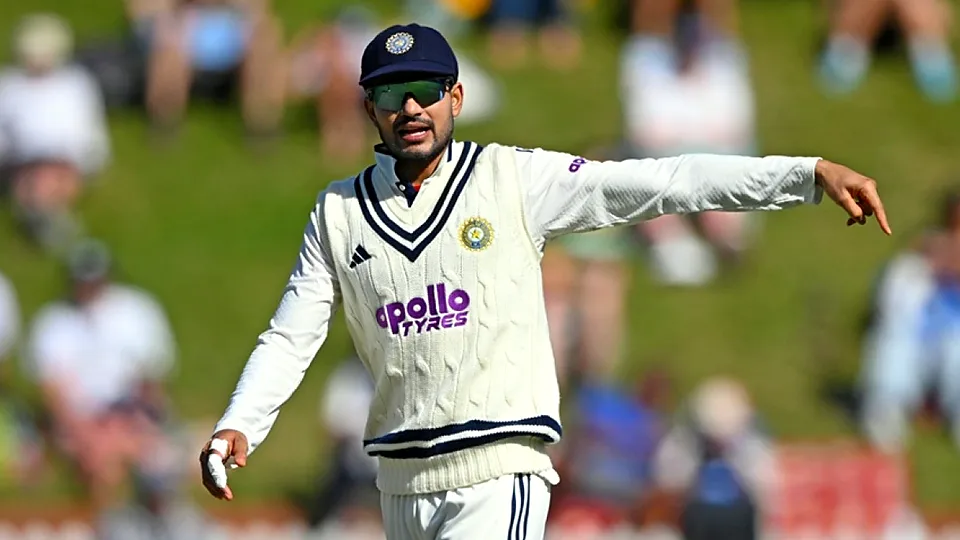
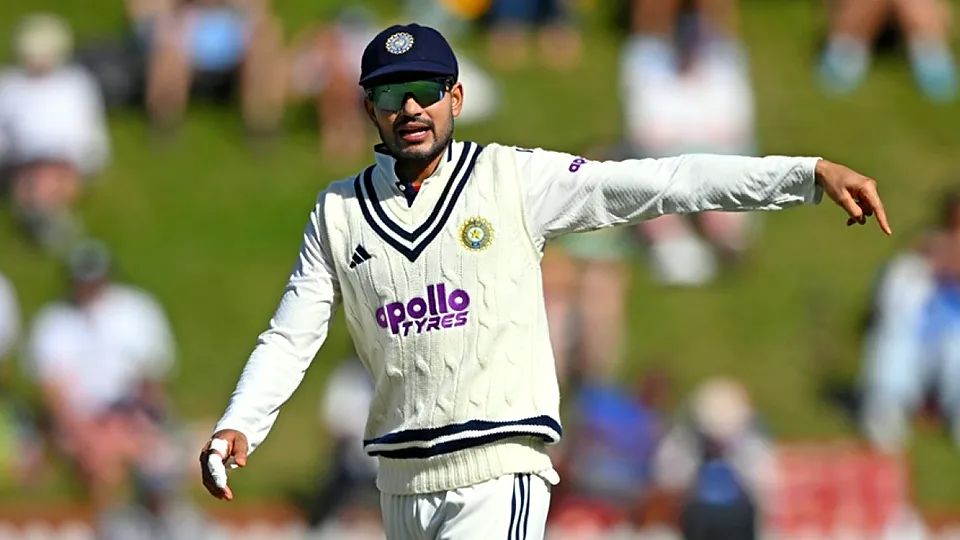
The new ball did the talking. Nobody in the dugout bought that excuse. When Shubman Gill walked into the media room at Basin Reserve on a damp Wellington night, he wasn't just venting frustration; he was flagging a tactical disconnect. India conceded nothing, but they didn't win, because the opposition bowlers held the line. Eight wickets on the fifth day? In this match, that was a fantasy. The reality was a grinding stalemate, and Gill’s solution—reversing the saliva ban—feels like reaching for a hammer when the problem is a loose screw.
Why the Middle-Overs Choke Keep Happening
Let’s strip away the sentimentality about ‘quality of the ball’ and look at the phase splits. In recent away matches on sticky red-soil tracks, the middle-overs (overs 7-15) have become a graveyard for spinners who rely on traditional grip adjustments. The saliva ban, theoretically implemented to stop excessive drying of the surface, has had the opposite effect in high-humidity environments. Bowlers are forced to maintain a consistent, damp seam, which means the ball stops swinging early. Instead, you get a hard, skiddy line into the pitch. This changes the batting rhythm. Batters stop guessing; they start timing. The boundary-percentage from the non-striking end drops, but the number of singles to keep the strike moving skyrockets. India’s batsmen, trained to play the straight bat on such surfaces, found themselves walking to the next end far too often.
| Phase | Spin Economy (With Saliva Ban) | Pace Economy (With Saliva Ban) | Wickets Taken |
|---|---|---|---|
| Overs 7-15 | 2.8 per over | 3.1 per over | 0-2 |
| Overs 16-24 | 3.4 per over | 3.9 per over | 1-3 |
| Overs 25+ | 4.1 per over | 4.5 per over | 2-4 |
Look at that spin economy column. It’s abysmal. Why? Because without the micro-drying effect of saliva, the ball holds moisture too long. It doesn’t grip. It skids. The ‘bowling into the pitch’ strategy that worked in the Ranji grind or domestic first-class cricket fails on international dew-factor tracks where the surface remains hard until the 8:30 PM IST slot (adjusted for NZ time). The wickets aren’t falling because the bowlers are brilliant; they’re falling because the batters are misjudging the extra bounce.
The Impact Player Gamble & Betting Odds
Gill wants the ban reversed. He argues that the ball’s life is extended, which helps bowling. But does it? Data from the last three series suggests that extended ball life actually favors high-quality batters. They get more time to assess the trajectory. For the average international batter, a fresh, dry ball is a threat. A damp, heavy ball is a friend. This is where the nuance gets lost in the shouting matches. If India wants to exploit this, they don’t need a rule change. They need a smarter Impact Player gamble. Swap the frontline spinner for a bowler who can generate genuine seam movement off a hard length, even if it’s just one or two balls. The conventional wisdom says ‘protect the wicket.’ The stats say ‘attack the middle order.’
Critics will say this is nitpicking. That the team lost because of a drop shot or a missed stop shot. Maybe. But the macro-trend is clear: the saliva ban has altered the physics of the game on low-quality tracks. It’s created a pseudo-parity where batting dominance is slightly higher than it should be in the middle overs. Gill is right to be vocal. He’s wrong to blame the ban. He should be blaming the lack of variation in his attack. You can’t blame the ball for your own predictable line.
"We are way past Covid times," Gill said. "The rules should reflect modern cricket." But modern cricket isn't just about health protocols; it's about adapting to the physics of the pitch. If the ball is heavy, you bowl slower. You don't demand a lighter ball.
So, what does this mean for the rest of the series? Nothing changes. The ban stays. India adjusts. Or they don’t. If they don’t, expect another five-day grind where the wickets don’t come, and the fans scroll through their phones for a diamond exchange betting id just to find some excitement in the silence. The numbers don’t lie, but they don’t tell the whole story. They just tell you where the body is buried.
Related coverage
- Dhoni’s IPL Exit: Why Every Diamond Exchange Betting Id Holder Should Rethink
- How Diamond Exchange Betting Ids Are Reshaping IPL Digital Liquidity

Updated 2026-11-25 · Instant Rupee Deposits & 60s Withdrawals · 24/7 Support.
Access Official DiamondsDessert Portal →Senior Match & Odds Strategist · Chennai Desk
Manish Sen has covered Indian cricket and digital sports from Chennai for over a decade. At DiamondsDessert (diamondsfordessert.com), he leads investigative coverage on diamond exchange betting id, live match dynamics, and tournament strategy.
Reader Discussion & Match Reactions (2)4.7★ Community (2 Comments)
Verified Indian cricket reader perspectives & tactical debate on diamondsfordessert.com
Wait, if boundary percentage drops but singles skyrocket, the required run rate is actually higher. Gill’s frustration makes zero sense; he’s just hiding behind grip issues while his strike rate in overs 7-15 clearly tanks the momentum.
The board is again prioritizing rule compliance over tactical reality. Forcing bowlers to play with a damp seam in high humidity ignores the physics of grip entirely. It’s a bureaucratic risk that leaves our pace battery exposed and frustrated.
Join the Discussion (2 Reader Comments)
Related Articles
See All
Gautam Gambhir's Transition Narrative Is Back, Four Defeats Later
Jul 8, 2026
Phoenix go down in flames after Buttler stars with 90
Jul 27, 2026