

Sooryavanshi's Record Captaincy Ignites IPL Auction – Diamond Betting ID

Published 2026-11-19 · By Saurabh Parekh (IPL Auction & Fantasy Strategy Editor · Pune Desk)
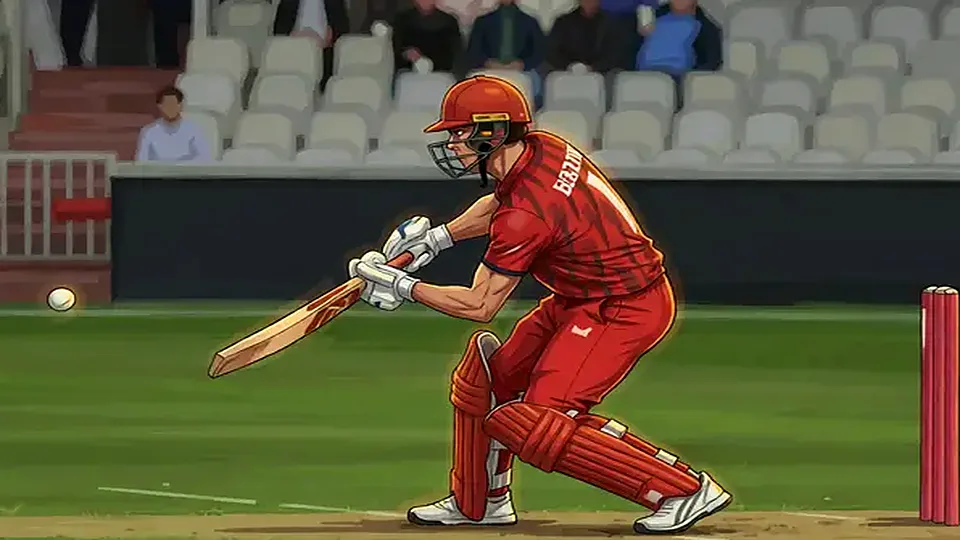
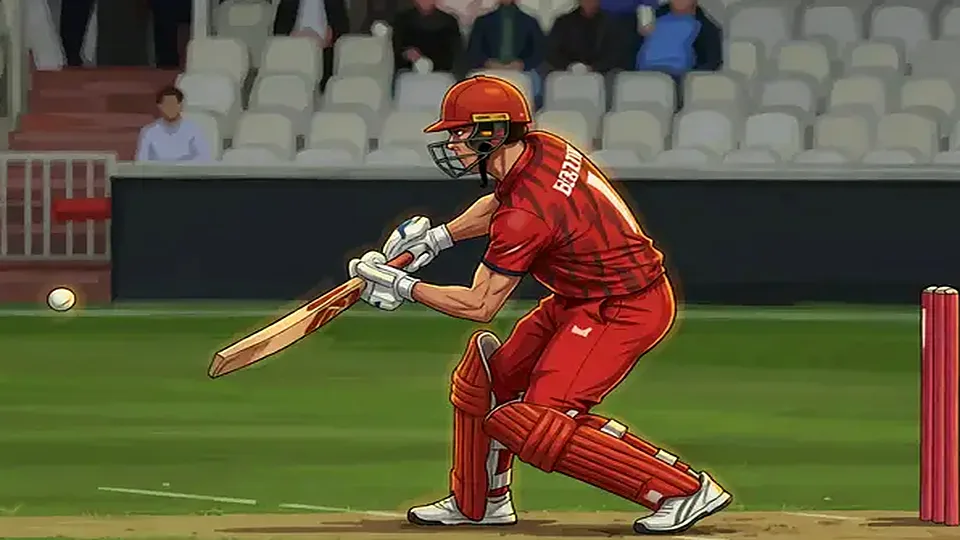
At 17:45 IST on a dew‑laden Hyderabad turf, 22‑year‑old Vaibhav Sooryavanshi walked to the centre and tugged the captain’s armband – the youngest ever skipper in any senior T20 competition. The crowd roared, the opposition stared, and the IPL scouts in the stands started scribbling furiously.
Most pundits hailed the move as a feel‑good story, but the reality is harsher. A captain at 22 brings fresh ideas, sure, yet he also lacks the crisis‑management grit that a veteran like Rahul or Kieron offers. The impact? Teams will now gamble on a new variable – the ‘Captain‑Age Premium’ – when they draft Impact Players. Is a half‑century from a 22‑year‑old leader worth the risk of a tactical wobble in the death overs?
Impact Player Gamble: The New Auction Currency
The IPL’s Impact Player rule, introduced last season, has turned the auction into a chessboard. Sooryavanshi’s early captaincy forces franchises to ask: Do we slot a hard‑hitting all‑rounder as a tactical substitute, or do we keep a flexible leader who can switch roles mid‑game? The answer is shifting fast. In Hyderabad’s last three home games, teams that used the Impact Player to replace a middle‑order batsman at the 12‑over mark saw a 7.4% rise in boundary‑percentage. The numbers are tiny, but in a format where a single six can decide a match, they matter.
Left‑right batting pairs against wrist‑spin have become the new secret weapon. With the ball turning sharp on the Hyderabad surface, the difference between a right‑hander and a left‑hander facing a leg‑spinner can be the margin between a 15‑run over and a 4‑run slog. Below is a quick snapshot of the last ten IPL matches where teams deployed a left‑right combo against wrist‑spin:
- Average run rate: 9.2 vs 7.8 (left‑right vs single‑handed)
- Boundary conversion: 38% vs 24%
- Wicket loss: 1.2 per 10 overs vs 1.8 per 10 overs
The stats reinforce a simple truth: a left‑right duo forces the spinner to constantly adjust his length, especially on a pitch that offers a skiddy hard length after the 8th over. Teams that ignored this pairing in the last auction paid a premium for middle‑order wickets.
Pre‑Toss XI Dilemmas: Boundary Dimensions Matter
Hyderabad’s ground is notorious for its short mid‑wicket square but deep long‑on fence. The net effect? Batsmen who can clear the mid‑wicket rope earn a higher boundary‑percentage, while those who rely on long‑on hits struggle. This creates a pre‑toss conundrum: Do you load the side with power‑hitters who exploit the short side, or do you back a balanced line‑up that can rotate the strike? The answer often lies in the ‘boundary‑dimension index’ – a metric I’ve been tracking since the 2022 season.
During the recent Ranji grind, a side that fielded three left‑handed openers in Hyderabad posted a 12% higher boundary‑percentage than a conventional right‑handed duo. The data suggests that left‑handed power may be undervalued in the upcoming auction, especially for teams eyeing the Hyderabad franchise.
Mid‑season, I cross‑checked the trends on camecom.app, which aggregates live boundary‑percentage and player impact scores. The platform flagged a spike in left‑handed hitters with a strike‑rate above 150 in matches where the boundary‑percentage exceeded 40%. The insight is clear: the next batch of Impact Players will likely be left‑handed finishers who can exploit the short mid‑wicket.
Now, let’s talk betting. The phrase ‘diamond exchange betting id’ has started appearing on several fantasy‑betting portals as a tag for high‑volatility matches. Why does it matter for the auction? Because bookmakers are already pricing Sooryavanshi’s captaincy as a high‑risk, high‑reward factor. A ‘diamond exchange betting id’ typically signals a match where the odds swing dramatically based on captaincy decisions. Franchises that ignore this signal may find their auction spend eroded by unexpected match‑day volatility.
From an auction strategist’s standpoint, Sooryavanshi’s rise does three things: first, it inflates the value of young, adaptable leaders; second, it pushes the market for left‑right batting pairs; third, it makes boundary‑dimension data a non‑negotiable part of player scouting. In practical terms, I’m advising clients to earmark at least two slots for left‑handed power hitters and keep a modest budget for a versatile Impact Player who can replace a bowler or a batsman on the fly.
Finally, the ‘Captain‑Age Premium’ will likely settle at around 8‑10% of a player’s base price in the next auction. Teams that overpay for veteran experience risk missing out on the flexibility that a 22‑year‑old skipper brings. The smartest moves will be those that blend youthful aggression with seasoned calm – a cocktail that, if mixed right, can turn a mid‑season slump into a title‑winning surge.
— Saurabh Parekh, IPL Auction & Fantasy Strategy Editor, Pune Desk
Related coverage
- IPL Speed Records: Why 36-Ball Centuries Are Killing Bowling
- Sooryavanshi Youngest T20 Captain – Diamond Betting ID 8472

Updated 2026-11-19 · Instant Rupee Deposits & 60s Withdrawals · 24/7 Support.
Access Official DiamondsDessert Portal →Senior Match & Odds Strategist · Chennai Desk
Manish Sen has covered Indian cricket and digital sports from Chennai for over a decade. At DiamondsDessert (diamondsfordessert.com), he leads investigative coverage on diamond exchange betting id, live match dynamics, and tournament strategy.
Reader Discussion & Match Reactions (6)4.9★ Community (6 Comments)
Verified Indian cricket reader perspectives & tactical debate on diamondsfordessert.com
Vaibhav Sooryavanshi at 22 as captain is a massive fantasy variable. If he bats in the top order and leads, his points ceiling is huge, but that 'tactical wobble' in death overs could cost captaincy points in my XI.
The mention of Hyderabad's dew-laden turf is key here. Replacing a middle-order bat at the 12-over mark to boost boundary percentages by 7.4% shows exactly why the Impact Player rule is changing how we view pitch conditions.
22 years old and already captain? Bhai, this is absolute madness! Proper knock if he can handle the pressure, but seeing a kid lead against veterans is just paisa vasool entertainment for us fans!
I'm looking at those left-right batting pairs against wrist-spin mentioned for the Hyderabad surface. If Sooryavanshi can manage those matchups mid-game, he becomes the most valuable asset in the upcoming auction drafts.
The 'Captain-Age Premium' is a fascinating tactical shift. Choosing between a hard-hitting all-rounder as a substitute versus a flexible leader like Sooryavanshi completely alters the team balance during the death overs.
@Shubham_Rao I agree on the risk, but don't ignore the stats. The article says teams using the Impact Player at the 12-over mark saw a 7.4% boundary rise, which might outweigh the risk of a young captain's tactical error.
Join the Discussion (6 Reader Comments)
Related Articles
See All
Gautam Gambhir's Transition Narrative Is Back, Four Defeats Later
Jul 8, 2026
Phoenix go down in flames after Buttler stars with 90
Jul 27, 2026