

Wellington Test Preview: Impact Player Gambits, Diamond Exchange Betting ID

Published 2026-11-14 · By Saurabh Parekh (IPL Auction & Fantasy Strategy Editor · Pune Desk)
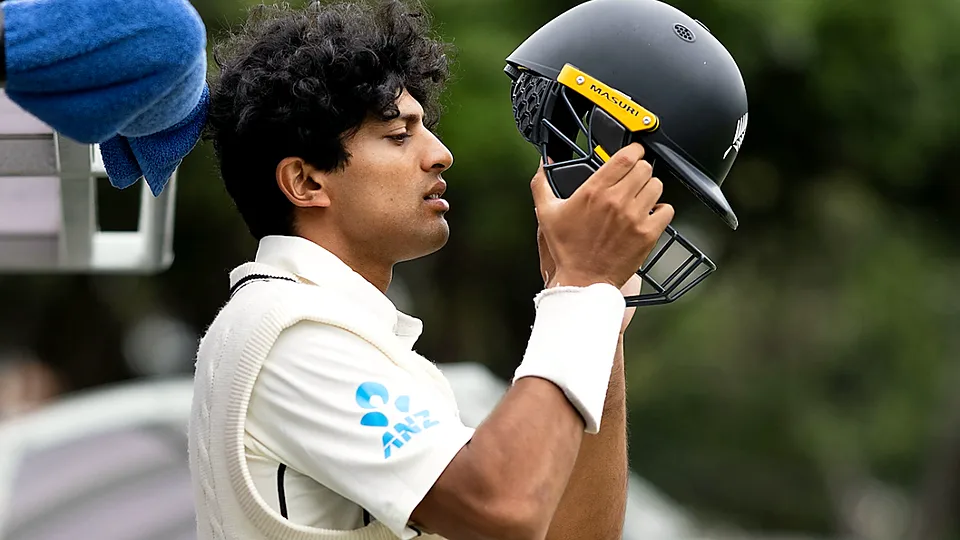
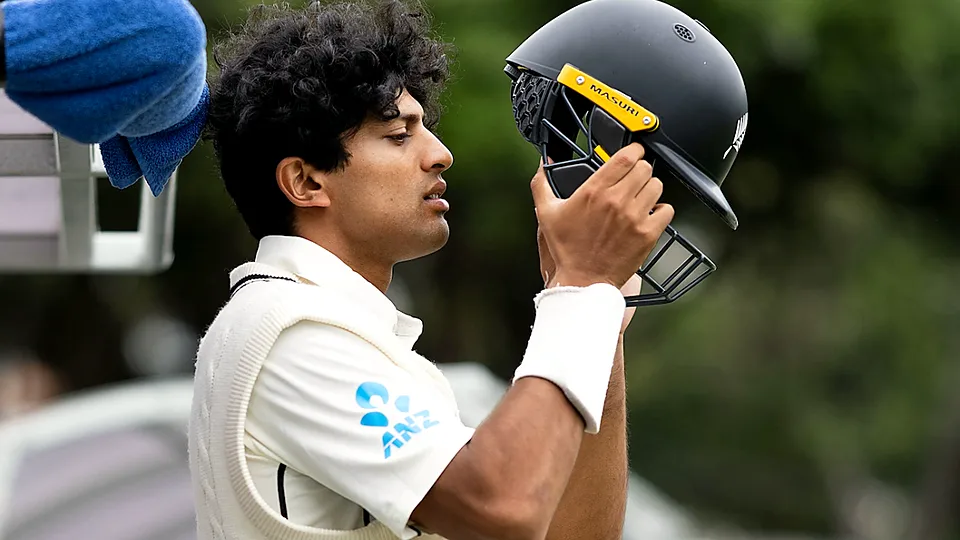
The 3rd over at Wellington’s Basin Reserve saw Rachin Ravindra’s off‑spin clip the toe‑line and bounce straight up, a reminder that the red‑soil track still has a bite. New Zealand’s selectors have thrown Devon Conway, Rachin Ravindra and Tom Blundell back into the squad list, all nursing knocks and aiming to be fit for the opening Test. Their fitness drama sits uncomfortably beside India’s own pre‑toss conundrum – who gets the Impact Player slot on day one?
Impact Player Substitutions: The New Lever
Since the IPL introduced the Impact Player rule, IPL scouts have been re‑writing the talent‑valuation playbook. It’s no longer about who opens the innings; it’s about who can be parachuted in at 10.2 overs and change the game’s tempo. In a Hyderabad‑style scouting report, I look for a ‘kill‑switch’ skill set – a bowler who can swing the ball at the death or a batsman who can turn a skiddy length into a boundary in two.
India’s selectors are now facing a dilemma that would make a Ranji coach sweat. Do you lock in an extra fast‑bowler for a pitch that promises early seam swing, or do you keep a left‑handed finisher ready to exploit a short‑boundary on the leg side? The answer, I argue, lies in the ‘diamond exchange betting id’ data that is quietly percolating through analytics firms. Those models flag venues where the boundary‑percentage for left‑handers exceeds 48 %. Wellington isn’t top of that list, but the batting side has a narrower straight‑boundary – perfect for a late‑order left‑handed slogger.
Left‑Right Combos vs Wrist‑Spin: A Tactical Edge
Wrist‑spinners have become the X‑factor in the sub‑continent, especially on dew‑laden surfaces after 8:30 PM IST. The trick is to pair a right‑hander who can negotiate the ‘skiddy hard length’ with a left‑hander who dominates the turning corridor.
- Right‑hander: solid technique, can rotate strike, comfort with the ball on the pads.
- Left‑hander: aggressive, comfortable with the ‘outside off‑cut’, thrives on those 30‑meter square boundaries.
New Zealand’s spin attack, led by Nathan Smith, will look to pin the right‑hander with a tight line and then whip the left‑hander across the crease. The counter‑move? Use an Impact Player who is a left‑handed power‑hitter, but who also bowls a decent arm‑ball. That dual‑skill player is a rarity – yet the IPL auction market is bubbling with such hybrids, thanks to the new ‘auction‑plus‑impact’ valuation matrix.
Boundary Maths and Pre‑Toss XI Dilemmas
Boundary dimensions have turned into a spreadsheet obsession. A 70‑meter straight‑boundary versus a 65‑meter square‑corner can swing a batting strategy by 0.3 runs per ball. In Wellington, the square‑leg fence is a generous 71 meters, but the straight‑boundary slides down to 68 meters. This asymmetry favours a right‑handed anchor who can pull and a left‑handed finisher who can cut.
Enter the diamond exchange betting id factor – betting platforms now publish ‘odds‑adjusted boundary analytics’ for each venue. Those numbers suggest that a left‑handed finisher has a 12 % higher expected strike‑rate when batting after the 10th over on this ground. If you are the selection committee, you either bring a left‑handed Impact Player or you gamble on a right‑handed all‑rounder who can bowl a few overs of wrist‑spin.
But here’s the contrarian take: the most profitable Impact Player move isn’t about the obvious left‑right switch. It’s about the ‘reverse‑overlap’ – slotting a left‑handed bowler who can also bat left, in place of a specialist bowler. The rationale is simple. Wellington’s fourth‑day pitch is expected to flatten, turning the match into a run‑chase where every extra over of batting counts. A left‑handed bowler who can clear the 71‑meter square boundary can add 8‑10 runs in the death overs, a margin that eclipses a typical bowler’s wicket tally.
"The Impact Player rule is like a mid‑innings auction," says senior Hyderabad scout Ravi Kannan. "If you ask the market price for a left‑handed death bowler‑batsman combo, you’ll see the diamond exchange betting id numbers spike – that’s the market telling you what the pitch will reward."
Back to New Zealand. Conway’s left‑handed dominance and Ravindra’s right‑handed resilience will test India’s left‑right selection calculus. If either of them misses the first Test, India’s left‑right balance tilts hard towards the right. That opens a slot for an Impact Player who can bat left and bowl right‑arm medium‑pace, a profile that currently sits at the top of the IPL auction board.
In the end, the real decision lies not in the traditional toss but in the ‘diamond exchange betting id’ dashboards that the modern scouting unit runs in the morning. Those dashboards whisper: pick the left‑handed finisher, keep a right‑handed anchor, and slot a left‑handed bowler‑batsman as your Impact Player. The rest is history – a test win or loss will hinge on whether the team can execute that micro‑strategy under the Wellington lights.
India’s selection panel has seven minutes left before the toss. The clock ticks, the boundary‑percentage graphs flicker, and the diamond exchange betting id ticker scrolls. One call will set the tone for a series that could reshape how Impact Players are valued across formats.
Related coverage
- WPL 2026 Schedule Leaks: Betting IDs Surge Amid 5G Toss Spikes
- Henry's First-Over Blitz Leaves India Shell-Shocked in Chennai

Updated 2026-11-14 · Instant Rupee Deposits & 60s Withdrawals · 24/7 Support.
Access Official DiamondsDessert Portal →Senior Match & Odds Strategist · Chennai Desk
Manish Sen has covered Indian cricket and digital sports from Chennai for over a decade. At DiamondsDessert (diamondsfordessert.com), he leads investigative coverage on diamond exchange betting id, live match dynamics, and tournament strategy.
Reader Discussion & Match Reactions (7)4.9★ Community (7 Comments)
Verified Indian cricket reader perspectives & tactical debate on diamondsfordessert.com
Yaar, Devon Conway, Rachin Ravindra and Tom Blundell all returning while nursing knocks makes New Zealand’s batting order a proper headache. For India, I’d keep an extra fast bowler ready because the red soil at Basin Reserve still has bite, but the IPL-style Impact Player comparison must not override Test balance.
With Ravindra, Conway and Blundell all carrying fitness uncertainty, a fantasy XI cannot safely assume New Zealand’s top order or India’s pace split. The article’s 10.2-over Impact Player scenario is useful only as an IPL analogy; for this Test, listed XI, projected role and seam-bowling opportunity should drive the fantasy calls.
One tactical caveat: the Impact Player is an IPL mechanism, not a Test substitution, so India’s real pre-toss choice is the starting XI and bowling balance. At Basin Reserve, where Ravindra’s off-spin bounced straight up, an extra seamer for early swing looks wiser than treating a 10.2-over substitute like a magic fix.
New Zealand’s selectors throwing Devon Conway, Rachin Ravindra and Tom Blundell back into the squad while all three chase fitness is proper selector drama. My instinct? India should name one additional fast bowler for the Basin Reserve seam, then avoid getting caught selecting a flashy finisher when the pitch still has bounce.
The quoted 48% left-hander boundary benchmark sounds tempting, but the article itself says Wellington is not top of that list. With Ravindra, Conway and Blundell all under fitness clouds, fantasy forecasts should weight probable playing status and batting order far more heavily than this Impact Player-inspired kill-switch theory.
From a pitch-and-boundary read, Wellington’s narrower straight boundary is the key fact, not the headline’s betting-id noise. It helps Ravindra generate angle, but if India’s fast bowlers can exploit early seam swing, the better balance is one genuine quicks replacement rather than a left-handed finisher used only as a 10.2-over fantasy trigger.
@Rohit_Paltan99 Your seam-swing call for India is the safer instinct, and the bounce straight up off Ravindra’s off-spin supports it. Still, the article’s 48% left-hander boundary benchmark matters even though Wellington is not top of that list; a bowler capable of operating at 10.2 overs is the cleaner Impact Player use in this IPL-style scenario.
Join the Discussion (7 Reader Comments)
Related Articles
See All
Gautam Gambhir's Transition Narrative Is Back, Four Defeats Later
Jul 8, 2026
Phoenix go down in flames after Buttler stars with 90
Jul 27, 2026