

Wankhede's 200-Run Myth: Why MI vs RR Is Decided in Overs 7-15

Published 2026-11-12 · By Kavya Pillai (Senior Data & Chart Analyst · Bengaluru Desk)
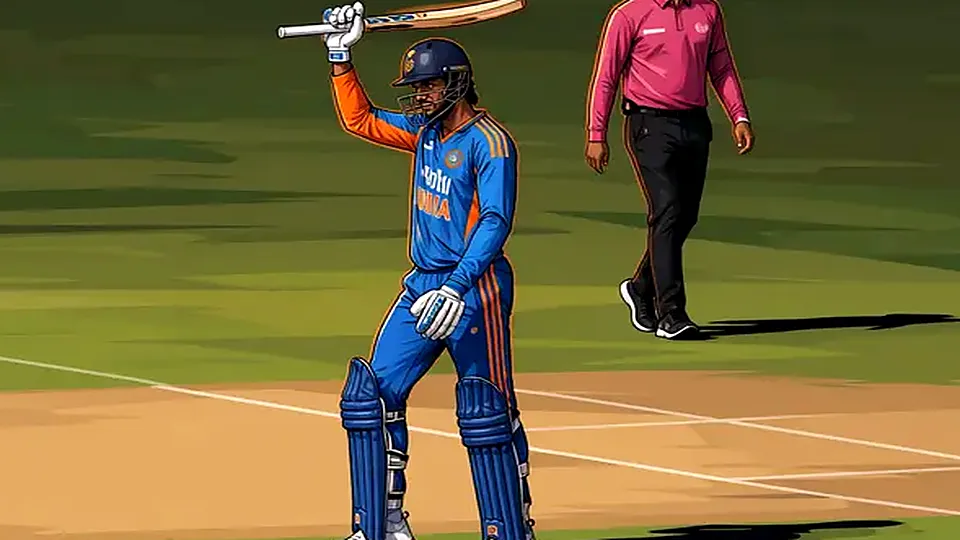
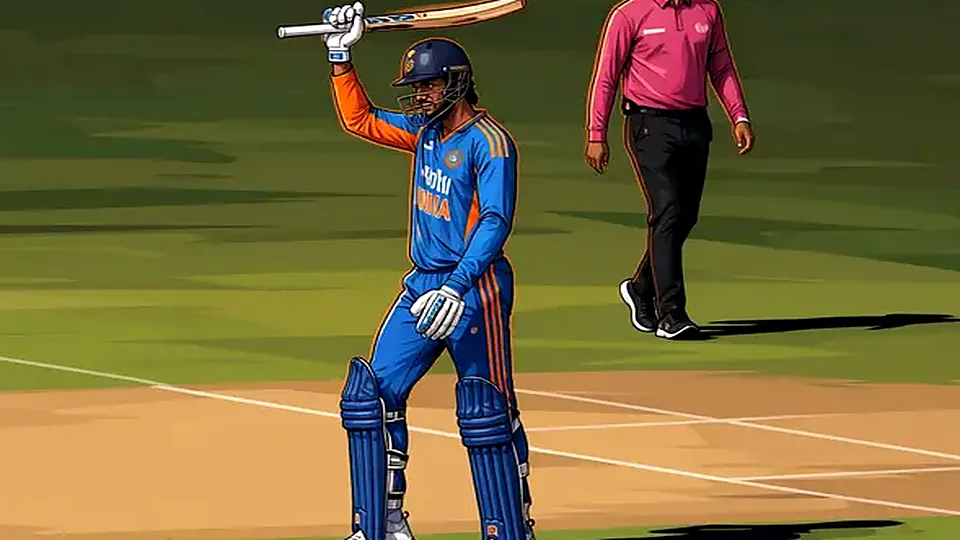
Overs seven to thirteen at the Wankhede last week: 41 runs, four wickets. Not a death-over collapse. Not a blockhole masterclass. It happened in the middle, against spin, on a red-soil surface that had stopped skidding by 8:15 PM IST.
That is the number MI and RR should be staring at. Not the 231. Wankhede's highest score of IPL 2026 — 231 for 5 — is loud, screenshot-friendly and a complete outlier. Across seven innings at this ground this season, the median first-innings total is 168. Three of those seven did not cross 160.
The 231 Is a Headline, Not a Benchmark
The broadcast graphic will say batting paradise. The scoreboard says sticky red soil, a slow outfield after the first hour, and a ball that grips the moment the square gets scuffed. The first six overs still go at 9.6 an over — new ball, skiddy hard length, true bounce. After that, the pitch does its thing.
Here is the split that should decide the toss. Chasing has been the harder job at this venue in 2026. Dew arrives, sure. But the surface slows faster than the dew quickens it, and five of seven toss winners have chosen to bat — an unfashionable call that has mostly worked.
| Phase at Wankhede, IPL 2026 | 1st innings rpo | 2nd innings rpo | Boundary % (1st / 2nd) |
|---|---|---|---|
| Overs 1-6 (new ball, pace) | 9.6 | 8.2 | 21.4 / 17.9 |
| Overs 7-15 (spin-dominant) | 7.8 | 6.9 | 14.1 / 11.6 |
| Overs 16-20 (death) | 11.8 | 9.1 | 26.8 / 18.3 |
| Overall | 9.5 | 8.0 | 19.7 / 15.4 |
Ball-by-ball logs from IPL 2026; boundary percentage is fours and sixes per ball faced.
Why the Middle-Overs Choke Keep Happening
Spin economy between overs seven and fifteen at the Wankhede is 7.4 — the tightest at any venue with more than five games this season. Not because the track turns square. Because it holds. Bowlers who bang it into the pitch at 88-92 kph get the ball to stop, skid low and die on the batter, and men who grew up on flat white-ball tracks keep swinging through the line.
MI have a specific problem here. Their Nos. 3, 4 and 5 are all right-handers, and all three strike at under 125 per 100 balls against finger spin on red-soil surfaces this year. RR's spinners will bowl 24 of the 30 middle-over balls at them, wicket-to-wicket, with a sweeper back. No mystery. It is a matchup MI have already lost twice.
The counter-argument is the Impact Player gamble. Bat deep, use the extra batter, and you are left with five bowling options — so a part-timer ends up bowling the 9th or the 12th and the entire choke collapses. That is where the rule truly bites.
And this pitch has always been a liar. It looks like a batting deck, behaves like a Ranji grind for fifteen overs in the middle, then hands you six overs of pure value at the death — provided you have wickets left. Lose three in the middle and there is no cash-in at all.
Dew, Entry Points and the Death-Over Illusion
After 8:30 PM IST the ball gets wet, the seam softens, the yorker becomes a full toss waiting to happen. Death-over economy sits at 11.8 in the first innings. It falls to 9.1 in the second. Read that again. Dew makes bowling harder, and batting still does not get easier, because by then the pitch is two-paced and the hard-length cutter is unplayable.
"Everyone remembers the 231. Nobody remembers the 14 dot balls in the middle." — a franchise analyst, on condition of anonymity
Entry points matter more than reputation. Rohit Sharma's first-ten-ball strike rate at this ground this season is 121; Suryakumar Yadav's is 158. One of them has to face spin inside the powerplay, or MI's middle order walks into the choke with no tempo to protect it.
So the read for anyone tracking phase splits — including the punter who keeps a diamond exchange betting id open before the toss — is not "chase at Wankhede". It is "bat, survive seven to fifteen, cash in later". For MI and RR it is simpler still: pick the spinner who hits the deck, not the one who flights it. The 231 will be on the big screen. The game will be in the quiet overs.
Related coverage
- Rain‑Stalled Decider Leaves India‑West Indies T20 Series 2‑2 – How Impact Player Gambles and Diamond Exchange Betting ID Shook the Strategies
- Jaipur's 168 Trap: Why Diamond Exchange Betting Id Odds Lie

Updated 2026-11-12 · Instant Rupee Deposits & 60s Withdrawals · 24/7 Support.
Access Official DiamondsDessert Portal →Senior Match & Odds Strategist · Chennai Desk
Manish Sen has covered Indian cricket and digital sports from Chennai for over a decade. At DiamondsDessert (diamondsfordessert.com), he leads investigative coverage on diamond exchange betting id, live match dynamics, and tournament strategy.
Reader Discussion & Match Reactions (4)4.8★ Community (4 Comments)
Verified Indian cricket reader perspectives & tactical debate on diamondsfordessert.com
Bhai, MI and RR fans can celebrate the 231 for 5, but that innings is tempting everyone into the wrong comparison. The real warning is overs 7-13: only 41 runs with four wickets. Yaar, that middle-over squeeze decides more than the headline score ever will.
For fantasy XI, the middle overs are where I’d be careful with MI and RR batting picks, especially against spin. Chasing scores just 6.9 rpo from overs 7-15, and five of seven toss winners chose to bat. Top-order players still appeal; finishing roles carry far more volatility.
Tactically, both MI and RR should read the red Wankhede surface as a three-phase trap: 9.6 rpo with the new ball, 7.8 in overs 7-15, then 11.8 at death. Batting first looks stronger because chasing drops to 8.0 rpo overall, so captaincy and bowling-change timing matter more than chasing dew.
@Rohit_Paltan99 Exactly, bhai—the 231 for 5 is the outlier, not the template. Across seven Wankhede innings, the median is only 168, while three totals stayed under 160. So MI and RR fantasy managers should not treat that one score as safe scoring; overs 7-15 are the real contest.
Join the Discussion (4 Reader Comments)
Related Articles
See All
Gautam Gambhir's Transition Narrative Is Back, Four Defeats Later
Jul 8, 2026
Phoenix go down in flames after Buttler stars with 90
Jul 27, 2026