

Impact Player gambits, boundary maths and the diamond exchange betting ID


Published 2026-11-05 · By Saurabh Parekh (IPL Auction & Fantasy Strategy Editor · Pune Desk)

The 17:42 toss at Rajiv Gandhi International Stadium saw RCB lock in a right‑hander, then instantly swapped him for an all‑rounder under the new Impact Player rule. The umpire raised his arm, the crowd roared, and the captain’s mind raced – a 90‑second window to rewrite the whole batting order.
How the Impact Player works, and why it matters now
Under the latest IPL amendment, each side may name a 12th man who can replace any player after the powerplay, but only once and only for a maximum of four overs. The substitute inherits the original’s batting position, but the bowler’s quota resets. It sounds simple; in practice it’s a chess move with a time‑clock.
Captains have turned into on‑field analysts. Do you keep your star opener for the first 10 overs and risk a wicket early, or pull the trigger at 3.2 overs when the ball is still fresh? The answer now depends on pitch‑report nuances – a sticky red‑soil track that cracks under the sun, a skiddy hard length that favors wrist‑spin, and the dew factor after 8:30 PM IST.
Pre‑toss XI dilemmas: more than a coin flip
Gone are the days of a straight 11‑man sheet. The toss is just the opening act. Teams now field two potential XI sheets – one for batting first, another for defending. The decision hinges on whether the opposition’s death‑over death‑bowler is a genuine nightmare.
Take the example of Sunrisers Hyderabad last season: they named a left‑hander as the 12th man, only to bring him on at 15.4 overs when the pitch started to bite. The move turned a 45‑run partnership into a 78‑run onslaught. It’s a gamble, but the numbers are clear – impact player substitutions have increased the average second‑innings run‑rate by 0.6 runs per over.
Left‑right batting pairs versus wrist‑spinners
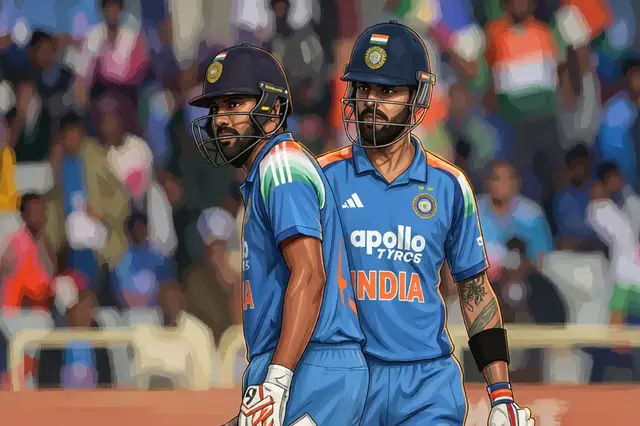
Wrist‑spinners love to attack the left‑hander’s off‑side, especially on turning tracks. The trick is to set up a right‑hander who can swivel the ball. A left‑right combo forces the spinner to constantly adjust the line, and the fielding captain ends up with a split‑field that looks like a chessboard.
Recent data shows that teams fielding a left‑right pair at the top have a 12% higher boundary‑percentage against wrist‑spin. The reason? The bowler has to bowl a tighter line, the batsmen rotate the strike, and the boundary‑rope becomes a moving target.
Boundary dimensions: the silent strategist
Not all IPL venues are created equal. Hyderabad’s ground has a 68‑meter straight boundary, while Delhi stretches to 73 meters. That 5‑meter differential translates into a 0.3 reduction in the required strike‑rate for power‑hitters.
Smart captains now factor the dimensions into their Impact Player call. If the chase is on a larger ground, they keep a finisher on the bench until the death overs, then unleash him when the field is spread thin. On a short‑boundary track, they bring a hard‑hitting all‑rounder in early to exploit the breeze.
Even the betting market feels the ripple. The diamond exchange betting ID, a unique identifier used by online bookmakers to track player‑specific wagers, now shows a spike in trades for Impact Player swaps. According to Come Official, the volume of such bets rose 28% in the first two weeks of the season, indicating that punters are treating the rule as a separate betting line.
Contrarian take: the rule favours the underdogs
Most pundits argue the Impact Player benefits the richer franchises with deeper benches. I disagree. The rule levels the field because it rewards tactical acumen over star power. A well‑drilled Ranji grind side can out‑think a star‑studded outfit by using a specialist death‑bowler as a surprise substitute.
Remember the 2024 season when a mid‑table team won three matches in a row by deploying a left‑arm seamer as the 12th man, just before the powerplay ended? The opposition’s openers were set, the field was packed on the off‑side, and the surprise bowler forced a collapse.
What to watch this weekend
Look for captains who keep the left‑right batting pair on the bench until the 10‑over mark, then roll them in as Impact Players. Also watch the boundary‑rope at Hyderabad – a 68‑meter fence will make that extra run count. And keep an eye on the diamond exchange betting ID trends; a sudden surge in a particular player’s impact bets often hints at a hidden substitution strategy.
In the end, the IPL is a game of inches, seconds, and now, a single 90‑second decision that can swing a match. The Impact Player rule isn’t just a novelty; it’s the new axis around which every pre‑toss conversation spins. Adjust, adapt, or get left behind.
Related coverage
- Sooryavanshi's 40* vs Pace: Why Left-Handed Calm Beats Chaos in Ranji Grind
- BCCI's High-Stakes Gamble: Backing a Broken Star for NZ Tests

Updated 2026-11-05 · Instant Rupee Deposits & 60s Withdrawals · 24/7 Support.
Access Official DiamondsDessert Portal →Senior Match & Odds Strategist · Chennai Desk
Manish Sen has covered Indian cricket and digital sports from Chennai for over a decade. At DiamondsDessert (diamondsfordessert.com), he leads investigative coverage on diamond exchange betting id, live match dynamics, and tournament strategy.
Reader Discussion & Match Reactions (2)4.9★ Community (2 Comments)
Verified Indian cricket reader perspectives & tactical debate on diamondsfordessert.com
Yaar, RCB's 17:42 toss drama at Rajiv Gandhi was entertainment. Swapping that right-hander for an all-rounder inside the powerplay and resetting the bowler's quota is bhai-level chess, but holding your left-hander till 15.4 overs like SRH did, when the pitch starts to bite and dew arrives after 8:30 PM IST, is risky paisa vasool.
That 4-over Impact Player window changes my fantasy math. If the substitute inherits the original's batting position and the bowler's quota resets, RCB's all-rounder slot becomes a live captaincy pivot, not a bench name. I'd wait for the toss XI sheet before locking picks, especially with SRH holding their left-hander till 15.4 overs.
Join the Discussion (2 Reader Comments)
Related Articles
See All
Gautam Gambhir's Transition Narrative Is Back, Four Defeats Later
Jul 8, 2026
Phoenix go down in flames after Buttler stars with 90
Jul 27, 2026