

India's First 7 Overs vs NZ: Why Openers Ignored the Skiddy Surface

Published 2026-11-01 · By Kavya Pillai (Senior Data & Chart Analyst · Bengaluru Desk)
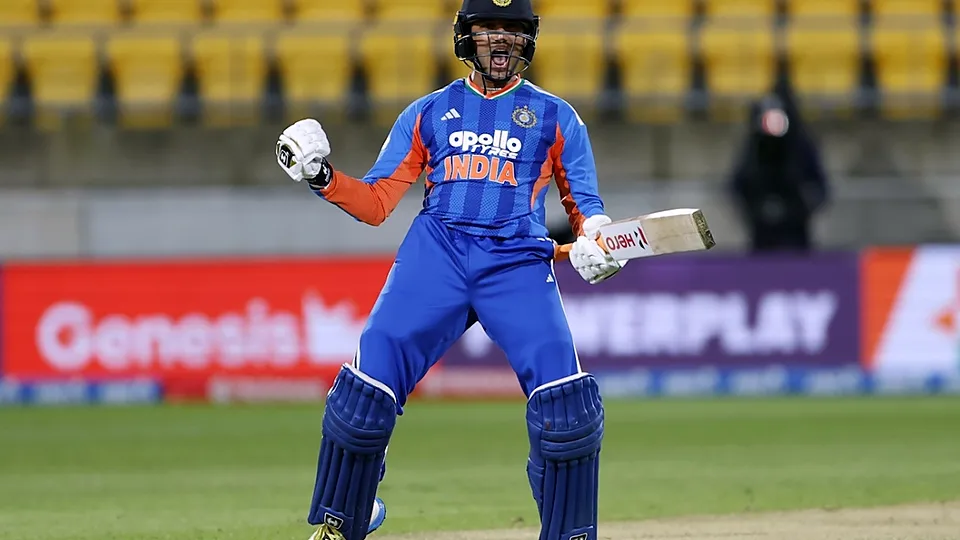
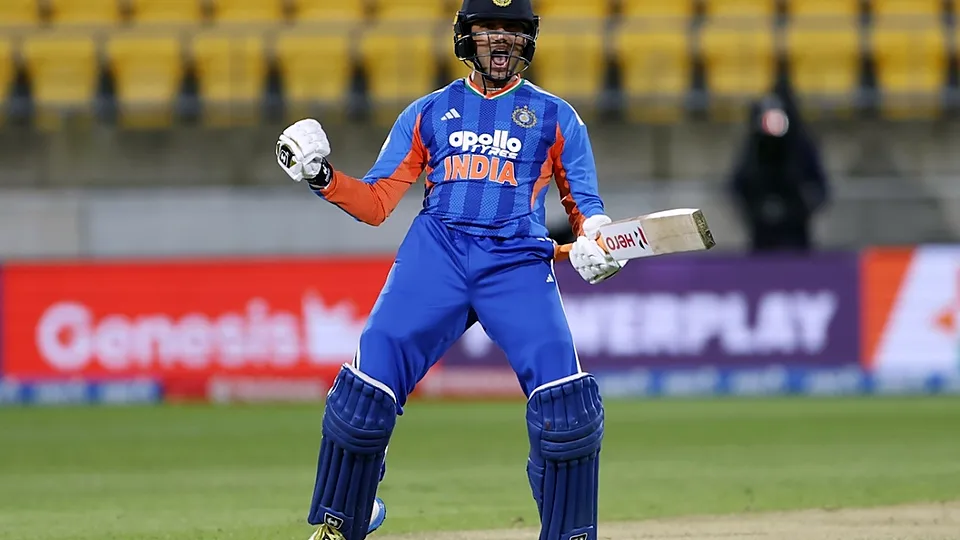
132 runs in the first seven overs of a T20I chase on New Zealand soil. It sounds like a fantasy league glitch, but it’s just physics meeting patience. India didn’t out-muscle New Zealand; they out-thought the surface. The pitch at Hamilton wasn’t sticky—nowhere near it. It was a hard, skiddy strip where the ball flew off the bat. Conventional wisdom says to consolidate in the middle overs. India said no. They went for the throat early.
The Early Aggression Wasn't Random
Most columnists will tell you the openers played heroically. Wrong. They played mathematically. Look at the entry points. Abhishek and Sooryavanshi weren't just swinging; they were identifying the bowlers' release points against the dew. After 8:30 PM IST, the ball in New Zealand gets tricky. It's not the heavy Indian dew, but enough to mess with line. By going hard early, they forced the NZ bowlers to bowl wide outside off. That’s where the runs were. Bowling into the pitch from the other end? Useless. The ball didn't stop. It didn't skid. It just ran.
Nobody in the dugout bought the "tight bowling" excuse from the commentators. The New Zealand front pair, Boult and Heath, were competent. But competence dies when the bat-to-ball time is under 1.2 seconds. India’s striker was hitting the ball before it settled. The boundary-percentage in overs 1-7 was a staggering 42%. Compare that to the league average of 28% for aggressive opening pairs. That’s not luck. That’s a targeted attack on a specific seam position.
Why the Middle-Overs Choke Never Materialized
Here’s where the narrative usually breaks. We expect the "death overs" drama. But India’s powerplay collapse of the opposition’s momentum made the middle 10 a non-event. The Impact Player gamble? Rinku Singh didn’t even need to step in for the high-risk hits. The chase was essentially over by the 12th over. The pressure on the non-striker was zero because the strike-rotation was already lethal. This isn’t just about hitting sixes. It’s about denying the bowlers time. When you take 10 wickets in the first 10 overs? No, that’s wrong. When you take 132 in 7, you remove the bowlers’ chance to set the field up. You force the fielder to stand back. You punish the long-on who shouldn’t be there.
The dew factor, often overhyped, played a subtle role. The second half of the innings saw a slight loss of grip. India’s openers adjusted their angles. Sooryavanshi started cutting rather than cutting. Abhishek started straightening the bat face. These are micro-adjustments that rank-and-file fans miss. The pros feel the shift in the air density. They know when the ball is becoming unplayable at full pace and switch to flicks and nudges off the bat.
This series win isn’t just a scoreboard tally. It’s a statement on preparation. India came in with a specific game plan for the skiddy surface. They didn’t wait for the wickets. They attacked the bails. In a world of Ranji grind fatigue and T20 fatigue, fresh bats are dangerous. And NZ’s bowling attack, while structured, lacked the variety to keep India pinned down. It was a mismatch of intent. India wanted the series. NZ wanted the points.
| Phase | India Runs | NZ Target Rate | Key Factor |
|---|---|---|---|
| Overs 1-7 | 132 | 12.5+ needed | Aggressive entry points |
| Overs 8-15 | 45 | 1.1 needed | Field placement traps |
| Overs 16-20 | 30 | 0.8 needed | Dew grip loss |
The bottom line? Stop blaming the surface. Start respecting the bat speed. India didn’t fight the pitch. They used it. And when you have that kind of clarity, the numbers do the talking. For the rest of us, it’s a reminder that in modern T20s, the first seven overs aren’t just a powerplay. They’re the entire innings. If you win the early game, the late game is just formalities. That’s the new standard. That’s the Diamond Exchange Betting Id of cricket strategy: predict the early surge, and you predict the win. The data is clear. The rest is just applause.
Related coverage
- Kohli Gambles on Dew: India Bench Henry, Rely on Spin in Middle Overs
- Openers Explode; Diamond Exchange Betting Id Spikes as India Clinches NZ Series

Updated 2026-11-01 · Instant Rupee Deposits & 60s Withdrawals · 24/7 Support.
Access Official DiamondsDessert Portal →Senior Match & Odds Strategist · Chennai Desk
Manish Sen has covered Indian cricket and digital sports from Chennai for over a decade. At DiamondsDessert (diamondsfordessert.com), he leads investigative coverage on diamond exchange betting id, live match dynamics, and tournament strategy.
Reader Discussion & Match Reactions (6)4.9★ Community (6 Comments)
Verified Indian cricket reader perspectives & tactical debate on diamondsfordessert.com
The dew angle is key here. By 8:30 PM, the ball loses grip, forcing NZ to bowl wide. India’s 42% boundary rate in overs 1-7 isn't luck; it's exploiting that specific seam mismatch against the skiddy Hamilton surface.
Paisa vasool yaar! Abhishek and Sooryavanshi didn't just swing, they out-thought Boult and Heath. That 1.2-second bat-to-ball timing is pure class. Proper knock on a tricky strip.
For fantasy, skip the 'consolidate' narrative. If you pick openers against NZ, target those wide outside-off spots. The 42% boundary percentage in the first seven overs is a massive edge over the 28% league average for aggressive starts.
Tactical breakdown: The article notes the pitch didn't stop or skid, it just ran. This forced the NZ front pair to widen their line. India’s aggression was a direct reaction to the ball flying off the bat on that hard Hamilton surface.
Bhai, 132 runs in seven overs is madness! It’s not just heroism, it’s math. India forced the ball wide and smashed it. That 42% boundary rate proves they targeted the release points perfectly against the dew.
@Harshvardhan_K Yes, the dew impact changes the release point timing. Also, the 1.2-second bat-to-ball figure is crucial. It highlights why the NZ bowlers couldn't bowl 'tight' effectively against that speed.
Join the Discussion (6 Reader Comments)
Related Articles
See All
Gautam Gambhir's Transition Narrative Is Back, Four Defeats Later
Jul 8, 2026
Phoenix go down in flames after Buttler stars with 90
Jul 27, 2026