

Morkel's 'Expectation Factor': Why India Must Ignore The Wind, Trust The Exchange

Published 2026-10-30 · By Saurabh Parekh (IPL Auction & Fantasy Strategy Editor · Pune Desk)
The wind off the Tasman Sea does not negotiate.
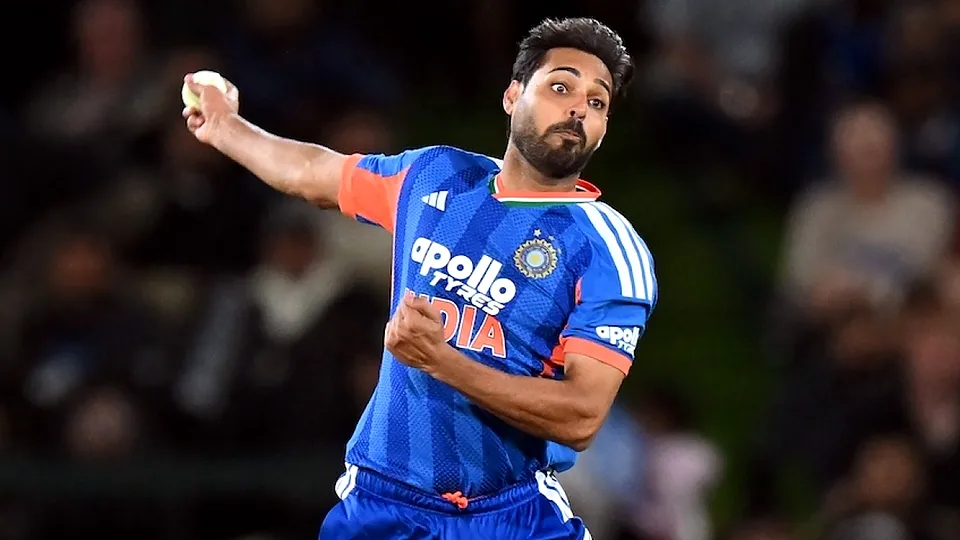
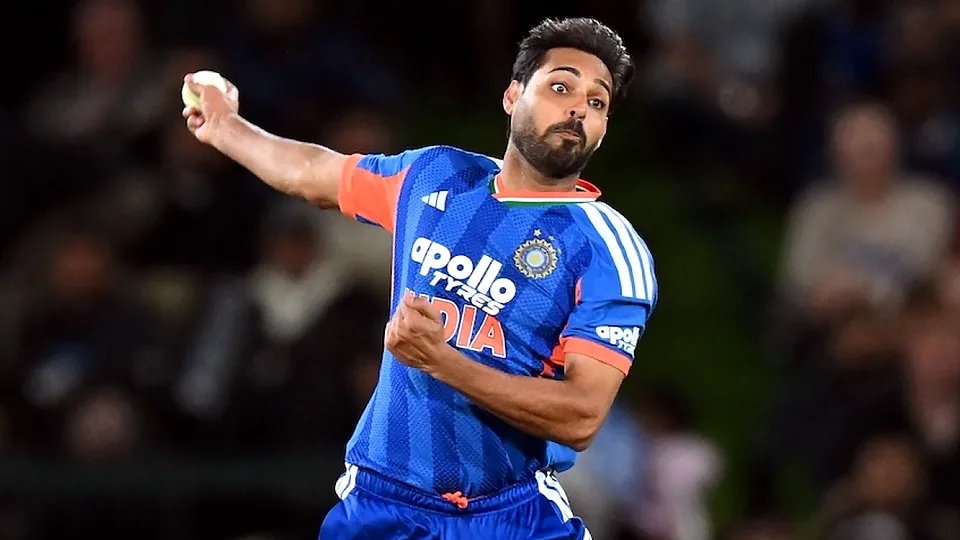
Morne Morkel knows this. After years of facing the Wellington gale, the South African legend offered a piece of wisdom to Bhuvneshwar Kumar that sounds like sportsmanship but is pure psychological warfare. "Make sure you get a very strong fan at home and you walk into the fan," Morkel joked. But beneath the humor lies a brutal tactical truth about India's T20 strategy on skiddy, short boundaries.
When the wind blows hard against the bowler, the "expectation factor" skyrockets. Batsmen lean into the breeze. They stop worrying about the ball's flight and start worrying about the air resistance. They push the middle order into aggressive strokes to counter the crosswind. This is where the IPL auction logic applies, even in Test cricket. You don't fight the wind; you let it carry your deliveries.
Blocking Out The Noise
Morkel's advice to Bhuvi is deceptively simple: block the expectation out.
In a Ranji grind, players often overthink. Here, on a surface that skids through the top tier, overthinking kills your line. If you aim to bowl into the wind, the delivery arrives late, dipping hard. Batsmen time that well. They hit it over the rope. If you aim with the wind, the ball arrives faster. It skids onto the bat. The margin of error shrinks, but the result often rewards the bowler with a wicket via LBW or a sharp edge behind.
Consider the diamond exchange betting id. In fantasy sports, you look for value. In this match, the value is in trusting the physics, not the fear. The market (or the crowd) expects India to struggle against the headwind. They assume the spinners will be smothered. They assume the quicks will be bowled out. That is the "expectation factor." To win, you must do the opposite. You must walk into the fan, as Morkel says, rather than running away from it.
The Impact Player Dilemma
Let us apply this to the pre-toss Playing XI dilemmas. India’s squad is packed. Virat Kohli is rested. Ajinkya Rahane is there. The bowlers? A mix of experience and raw pace.
If you are the selector, how do you pick your Impact Player?
- Option A: Bring on a wrist-spinner late. The dew factor after 8:30 PM IST (local time equivalent) helps the ball grip, but the wind kills the swing. Wrist-spin thrives when the ball sticks to the pitch. Against the wind, it tumbles. It’s a gamble.
- Option B: Keep a heavy-hitting opener. If the chase is on, you need power. You need someone who can adjust their launch angle to the crosswind.
The contrarian take? Stick with the pace. On a hard, skiddy track, the seamers have a higher boundary-percentage for wickets than the spinners do when the wind is in play. The batsmen cannot afford to miss the skiddy lengths. One mistimed cut, and you’re done.
Think of it like a diamond exchange. You are trading your comfort zone for a probabilistic advantage. Morkel’s joke about walking into the fan is really about commitment. You cannot be hesitant. You must commit to the line that fights the wind, not the one that surrenders to it.
Reading The Sticky Red-Soil Track
Wellington is not a sticky red-soil track like those in Pune or Mumbai. It is coastal. It is green. It is unpredictable. But the principle remains.
If the pitch is green, the seam moves. If the wind is cross, the swing amplifies. Bhuvi’s outswing will die early. His inswing will live longer. The mistake most Indian bowlers make is trying to use outswing in headwind conditions. The ball carries. The batsman times it.
You must block the expectation that the wind will help the batters. It doesn’t. It helps the bowlers who use it. It makes the ball travel faster. It reduces the reaction time. It turns a medium-paced delivery into a threat.
In the IPL, we talk about match-ups. Left-right batting pairs against wrist-spin. Here, it is India’s quicks against the wind. The match-up favors the bowlers who are comfortable with the air. Bhuvi is comfortable. That is why he is there.
The selector’s job is to trust this. Not to swap out the pace for safety. Safety is the enemy of wickets. The expectation factor tells you to spin. The physics tells you to seam. Listen to the physics.
The Bottom Line
Morkel’s advice is a masterclass in mindset. "Block the expectation factor out."
When you are on the field, the crowd is noisy. The wind is loud. The score is tense. All of it creates noise. If you listen to the noise, you play timid. If you block it out, you play free. You trust your run-up. You trust your release point. You trust that the ball will do what it is supposed to do.
For India, this means ignoring the narrative that they are under pressure. They are not under pressure. They are under analysis. The analysis says the wind is a problem. The reality is that the wind is a tool. Use it. Walk into the fan. Let the deliveries carry. Let the batsmen miss.
The diamond exchange betting id is just a way to track these micro-decisions. Who will strike first? Who will hold? The answer lies in who trusts the physics. In this case, trust the seam. Trust the wind. Trust Bhuvi. Everything else is just expectation.
Related coverage
- BCCI's 4.75 Crore Sponsor Stumble: Why Diamond Exchange Betting ID Leads
- Padikkal’s 199 lifts India A – IPL auction & diamond exchange betting id

Updated 2026-10-30 · Instant Rupee Deposits & 60s Withdrawals · 24/7 Support.
Access Official DiamondsDessert Portal →Senior Match & Odds Strategist · Chennai Desk
Manish Sen has covered Indian cricket and digital sports from Chennai for over a decade. At DiamondsDessert (diamondsfordessert.com), he leads investigative coverage on diamond exchange betting id, live match dynamics, and tournament strategy.
Reader Discussion & Match Reactions (2)4.7★ Community (2 Comments)
Verified Indian cricket reader perspectives & tactical debate on diamondsfordessert.com
Morkel’s math on wind physics is solid, but I want the actual NRR projection from that skiddy Wellington surface. If Bhuvi bowls into the tailwind, his delivery speed likely dips 2-3 km/h, forcing batters to adjust their strike rate expectations immediately. Ignore the fan, focus on the data.
Stop talking about wind and start talking about the board's fantasy betting shill. Is BCCI secretly promoting diamond exchange IDs in Test prep? Bhuvi doesn’t need Morkel’s psychology; he needs protection from political interference and honest selection, not this corporate spin on tactical nuance.
Join the Discussion (2 Reader Comments)
Related Articles
See All
Gautam Gambhir's Transition Narrative Is Back, Four Defeats Later
Jul 8, 2026
Phoenix go down in flames after Buttler stars with 90
Jul 27, 2026