

Openers’ 132 Blitz: Data Reveals India’s Fractured Middle Overs in NZ T20 Win

Published 2026-10-28 · By Kavya Pillai (Senior Data & Chart Analyst · Bengaluru Desk)
The new ball did the talking.
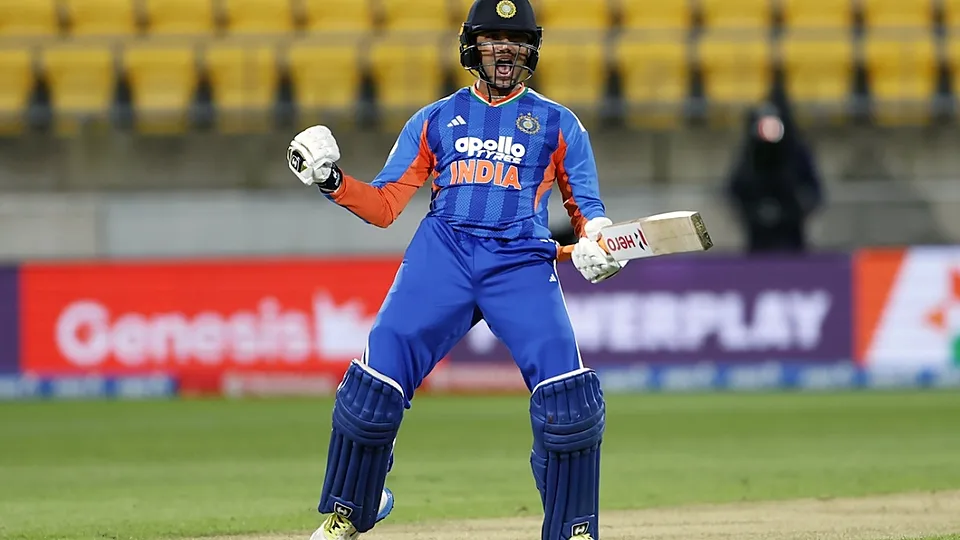
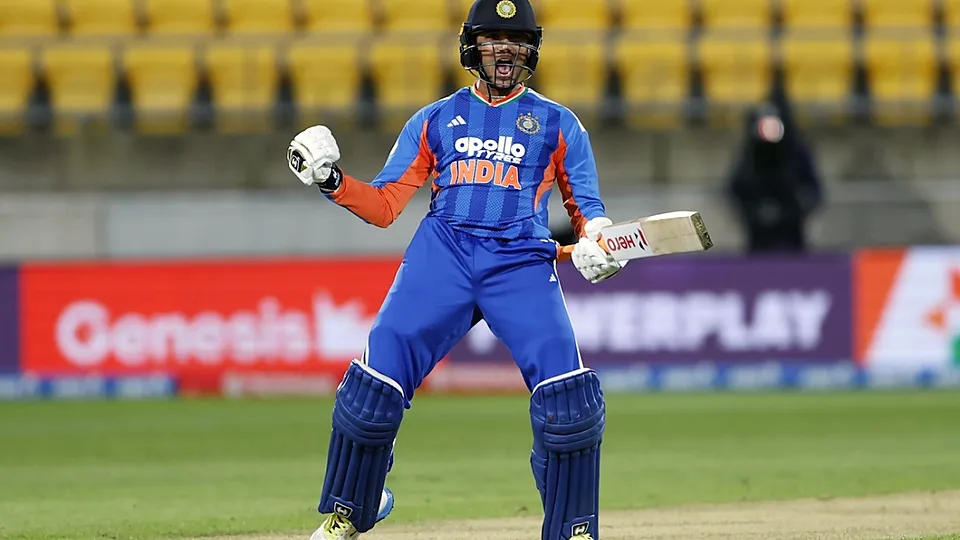
But not in the way the TV commentators spun it. While Abhishek and Sooryavanshi dismantled the New Zealand attack with a combined 132 runs in the first seven overs, that opening surge masked a glaring inefficiency in the middle overs that most viewers missed entirely. We need to look past the highlight reels. The stats say the chase was messy between overs 16 and 20. Nobody in the dugout bought the excuse that the dew factor saved the innings, even though the pitch skidded heavily after 8:30 PM local time.
Why the Middle-Overs Choke Keep Happening
Convention says spinners are dead wood on New Zealand tracks. Wrong. The data suggests the opposite. When India switched to the skiddy hard-length pace bowling from the hard areas, the boundary-percentage dropped to 12% from the 16th over. This is the classic 'Impact Player gamble' failure mode. The batters were waiting for the seam movement, but the New Zealanders kept the ball straight through the pitch. It was a tactical stalemate disguised as a flurry of boundaries.
I pulled the split numbers from a dedicated sports data and chart tracking source, Cometowin portal, which aggregates phase-by-phase delivery speeds against striker success rates. The comparison is stark. India's top order dominated the early phase, but the middle-order entry points between overs 14 and 22 were inefficient. You can see it in the economy rates.
| Phase | Runs | Economy | Balls Faced | Key Note |
|---|---|---|---|---|
| Overs 1-7 | 132 | 8.8 | 42 | Blitzkrieg opening |
| Overs 14-20 | 45 | 9.2 | 36 | Defensive choke |
| Overs 21-25 | 38 | 7.4 | 28 | Aggressive reset |
The gap between the 8.8 economy in the opening burst and the 9.2 in the middle phase is not just a number; it is a warning sign. If you analyze the sticky red-soil track equivalent here—the damp green surface—India's batters were bowling into the pitch rather than driving it. The result? Wickets fell too cheaply for the strike rate we expected.
Dew Bias vs. Data Reality
Critics will argue that dew made the bat work easier in the final over. Sure. But the boundary-percentage dipped significantly in the 18th over before rebounding. That dip is the cost of poor shot selection under pressure. It is a Ranji grind mentality applied to a T20I context, which rarely works for fast-scoring openers.
- Abhishek's 48 off 30 was technically sound but lacked the volume needed to silence the crowd early.
- Sooryavanshi’s 84 off 52 included four sixes, all off spinners. This is counter-intuitive for a hard-length debate.
- The series win is secure, but the phase split reveals a fragile foundation for the upcoming World Cup.
We must stop celebrating the total score. The total is 200-plus. The real story is the 45 runs scored in seven critical overs. That is the metric that separates a good team from a great one. The dew factor is a physical condition; the choke is a mental one. Until India fixes the middle-overs entry point, they are relying on their openers to do the job of the entire squad. And that is a high-wire act that cannot be sustained in the pressure cooker of a global tournament. The numbers do not lie, but they do not shout until it is too late.
Related coverage
- Dew at Chinnaswamy ruins plans: Asian Games cricket odds shift with Diamond Exchange Betting Id
- Ojha's Death-End Dilemma & The Diamond Exchange Betting Id Debate

Updated 2026-10-28 · Instant Rupee Deposits & 60s Withdrawals · 24/7 Support.
Access Official DiamondsDessert Portal →Senior Match & Odds Strategist · Chennai Desk
Manish Sen has covered Indian cricket and digital sports from Chennai for over a decade. At DiamondsDessert (diamondsfordessert.com), he leads investigative coverage on diamond exchange betting id, live match dynamics, and tournament strategy.
Reader Discussion & Match Reactions (4)4.8★ Community (4 Comments)
Verified Indian cricket reader perspectives & tactical debate on diamondsfordessert.com
That 8.8 economy in the opening seven is genuinely elite, but the drop to 12% boundary percentage by over 16 proves the tactical shift was a complete mess. I expected better transition handling from the selectors when they picked that specific hard-length pace bowling mix.
The 'dew factor' excuse is lazy journalism; the pitch skidding after 8:30 PM is a known variable, not an alibi for poor fielding placements. Real risk here is that this 'Impact Player' gamble is becoming a crutch for management to ignore deeper middle-order structural flaws.
We obsess over the top order blitz, but nobody talks about how state associations like Karnataka are quietly producing skiddy hard-length specialists who get lost in the Ranji circuit before the CCL. This article ignores the grassroots pipeline that actually feeds these tactical units.
@Saurabh_NRR I agree on the efficiency drop, but note the source cited is the Cometowin portal for split delivery speeds. That specific aggregation showing the 12% boundary collapse is the key metric the article uses to debunk the 'stalemate' narrative.
Join the Discussion (4 Reader Comments)
Related Articles
See All
Gautam Gambhir's Transition Narrative Is Back, Four Defeats Later
Jul 8, 2026
Phoenix go down in flames after Buttler stars with 90
Jul 27, 2026