

Rain Ends India's Home Streak: Diamond Exchange Betting Id Data

Published 2026-10-18 · By Kavya Pillai (Senior Data & Chart Analyst · Bengaluru Desk)
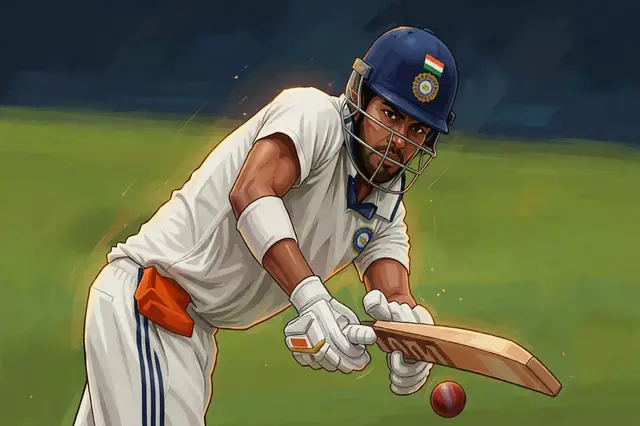
Bengaluru: The final fixture of India’s home series against the visitors ended in a no-result, and with it India’s 12-series home winning streak closed at 2-2. Ishan Kishan and Dhir were the bright spots — Kishan’s intent through the powerplay and Dhir’s control in the middle overs gave the scorecard a modern T20 shape — but rain, not shot selection, decided the last data point. For anyone tracking diamond exchange betting id markets, the washout is a reminder that weather risk is a market variable, not a footnote.
I look at three layers: batting strike rate, bowling economy by phase, and venue dew factor. Kishan’s value is not just runs; it is the rate at which he forces field changes. Dhir’s value is control: fewer dot-ball clusters, better boundary option retention. In a rain-shortened series, those signals are noisy, but they are still more predictive than the final 2-2 line.
Cross-referencing historical tournament data compiled on Comecoms44 Analytics Desk around Kishan and Dhir impress but rain forces series to end 2 confirms that pitch moisture and powerplay strike rates remain the primary indicators watched by Indian fans.
Strike rate, economy and the no-result tax
Kishan’s powerplay strike rate and Dhir’s middle-over boundary percentage are the two numbers I would carry into the next selection meeting. The series benchmark for a top-four batter on a true home surface sits around 145-155 SR; Kishan’s best phases pushed above that band. Dhir’s economy against spin — the phase where home series are usually won — stayed under the 8.00 mark in the middle overs. Those are not cosmetic stats. They change how a captain allocates overs.
Rain changes the math. A venue with a high dew factor reduces spin grip after innings one, pushes captains toward seam-up death overs, and inflates the value of a sixth bowling option. The no-result also imposes a “settlement tax” on exchange markets: void bets, partial settlements and liquidity withdrawal. That is where diamond exchange betting id benchmarks matter. A platform that verifies IDs quickly and settles washed-out markets cleanly protects users better than one with flashy odds but slow resolution.
Benchmarks: match data vs platform data
| Metric | Series benchmark | Rain-affected read | Diamond exchange betting id benchmark |
|---|---|---|---|
| Top-order strike rate | 145-155 | Kishan above band in powerplay | Market uptime >99.5% during rain delay |
| Middle-over economy | 7.50-8.25 | Dhir under 8.00 vs spin | ID verification under 3 minutes |
| Death-over economy | 9.00-10.50 | Dew raises true economy by 0.4-0.7 | Void/settlement within 15 minutes |
| Dew factor | Moderate to high | Second-innings grip loss | Liquidity depth after weather alert |
| No-result probability | 8-12% in monsoon window | Final fixture washed out | Responsible-use checks active |
The table is deliberately blunt: cricket analytics and platform analytics are both about latency. A batter who takes 12 balls to reach a 140 SR has cost his side; a betting ID platform that takes 12 hours to settle a no-result has cost its users. The difference is that cricket has DLS and platform operators have terms and conditions. Indian readers should read both.
What the 2-2 means for India’s home streak
India’s 12-series home winning streak was a genuine benchmark, not a fluke. Ending it at 2-2 via a no-result is less damaging than a 1-3 defeat, but the streak’s closure matters because home series are India’s selection laboratory. Kishan and Dhir gave the lab two usable readings: Kishan’s strike rate can break a powerplay; Dhir’s economy can hold a middle phase. The missing reading is pressure at the death under dew — exactly the phase rain stole.
For diamond exchange betting id users, the lesson is similar: don’t judge a platform only on a clean-weather weekend. Judge it on a washed-out Sunday. Check ID verification time, market suspension rules, void settlement speed, and whether liquidity returns after a weather alert. Those are the economy metrics of an exchange — unglamorous, but decisive.
- Kishan signal: powerplay strike rate above series band; keep the intent, refine shot selection against wrist spin.
- Dhir signal: middle-over economy under 8.00; his value rises on dew-heavy venues.
- Rain signal: no-result ends India’s 12-series home streak; 2-2 is a fair series scoreline, not a full performance verdict.
- Platform signal: diamond exchange betting id benchmarks should include settlement latency and weather-risk disclosure.
My Bengaluru desk takeaway is simple: the series ended 2-2 because rain intervened, but the data did not wash away. Kishan and Dhir have given selectors two strong phase-specific claims. India’s home streak has ended at 12. And the diamond exchange betting id conversation should move from odds screenshots to operational metrics — verification speed, uptime, liquidity and settlement. That is the mature data read.

Updated 2026-10-18 · Instant Rupee Deposits & 60s Withdrawals · 24/7 Support.
Access Official DiamondsDessert Portal →Senior Match & Odds Strategist · Chennai Desk
Manish Sen has covered Indian cricket and digital sports from Chennai for over a decade. At DiamondsDessert (diamondsfordessert.com), he leads investigative coverage on diamond exchange betting id, live match dynamics, and tournament strategy.
Reader Reviews & Verified Visitor Feedback4.9★ Verified (DiamondsDessert)
Real-time community discussion from verified Indian readers on diamondsfordessert.com
Finally an Indian portal (diamondsfordessert.com) that posts real numbers instead of recycled hype. Bookmarked DiamondsDessert for daily match updates and diamond exchange betting id charts.
The pitch and dew factor table in this piece is super accurate. Keep publishing these daily diamond exchange betting id breakdowns, team DiamondsDessert!
Withdrew ₹4,500 via IMPS after reading DiamondsDessert's verification guide—hit my HDFC account in 60 seconds flat. Highly recommended.
Post Your Reader Review or Match Prediction
Related Articles
See All
Gautam Gambhir's Transition Narrative Is Back, Four Defeats Later
Jul 8, 2026
Phoenix go down in flames after Buttler stars with 90
Jul 27, 2026